76, rue de Turenne 75003, Paris, France
Ouvert du mardi au samedi
10h00 - 18h00
+33 1 84 17 74 75
store@perrotin.com
Pays d'expédition, devise et langue


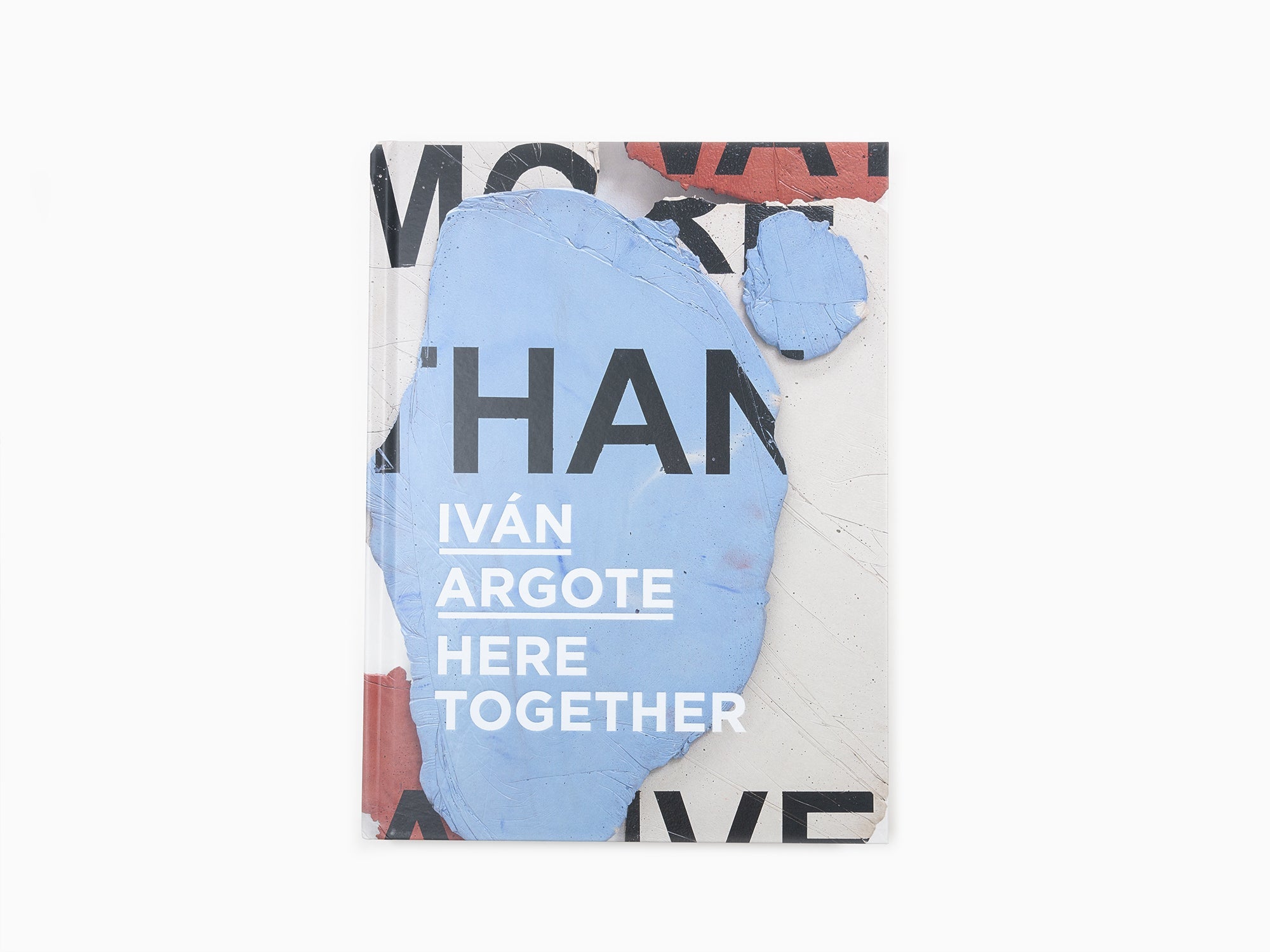
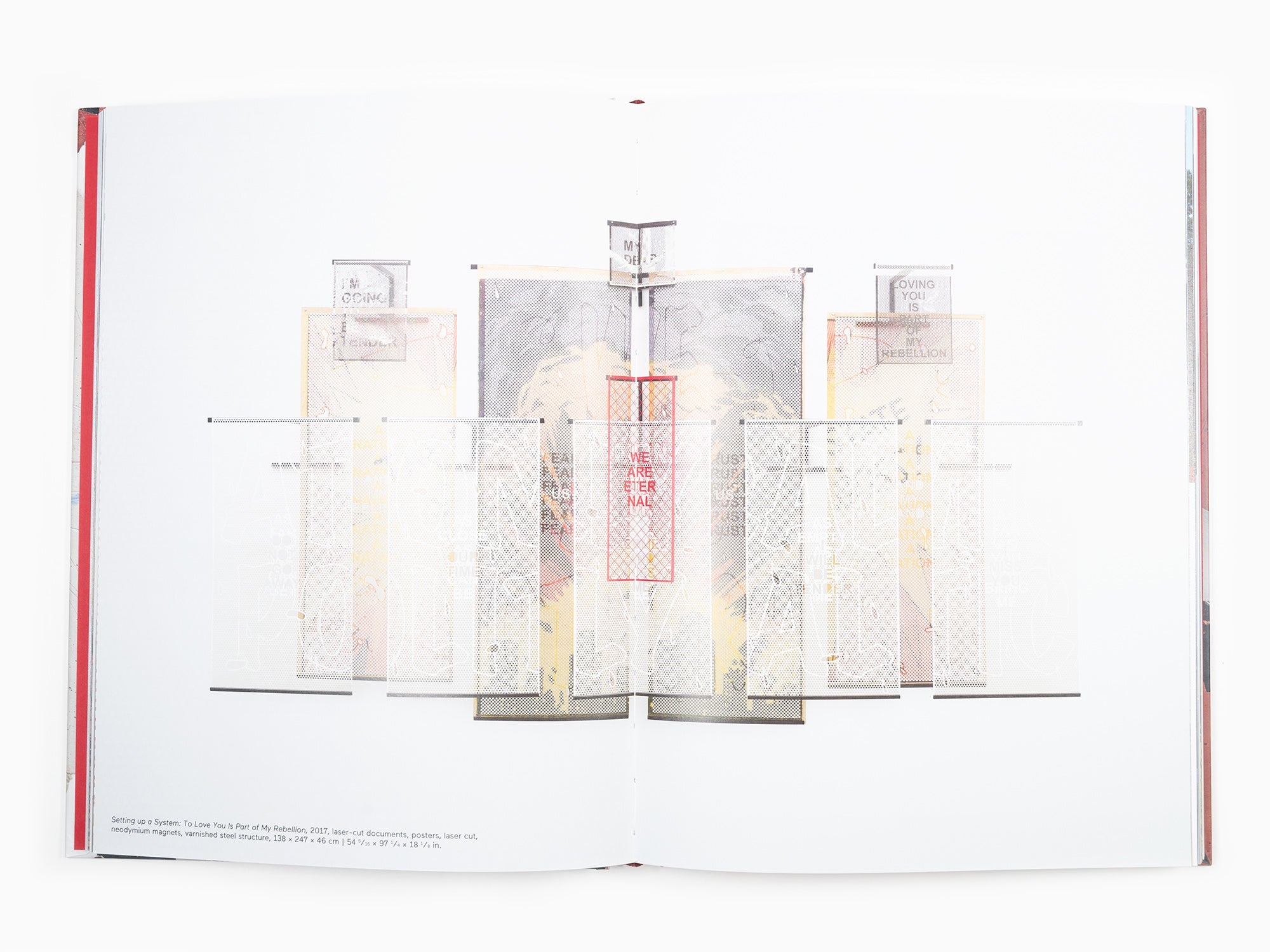
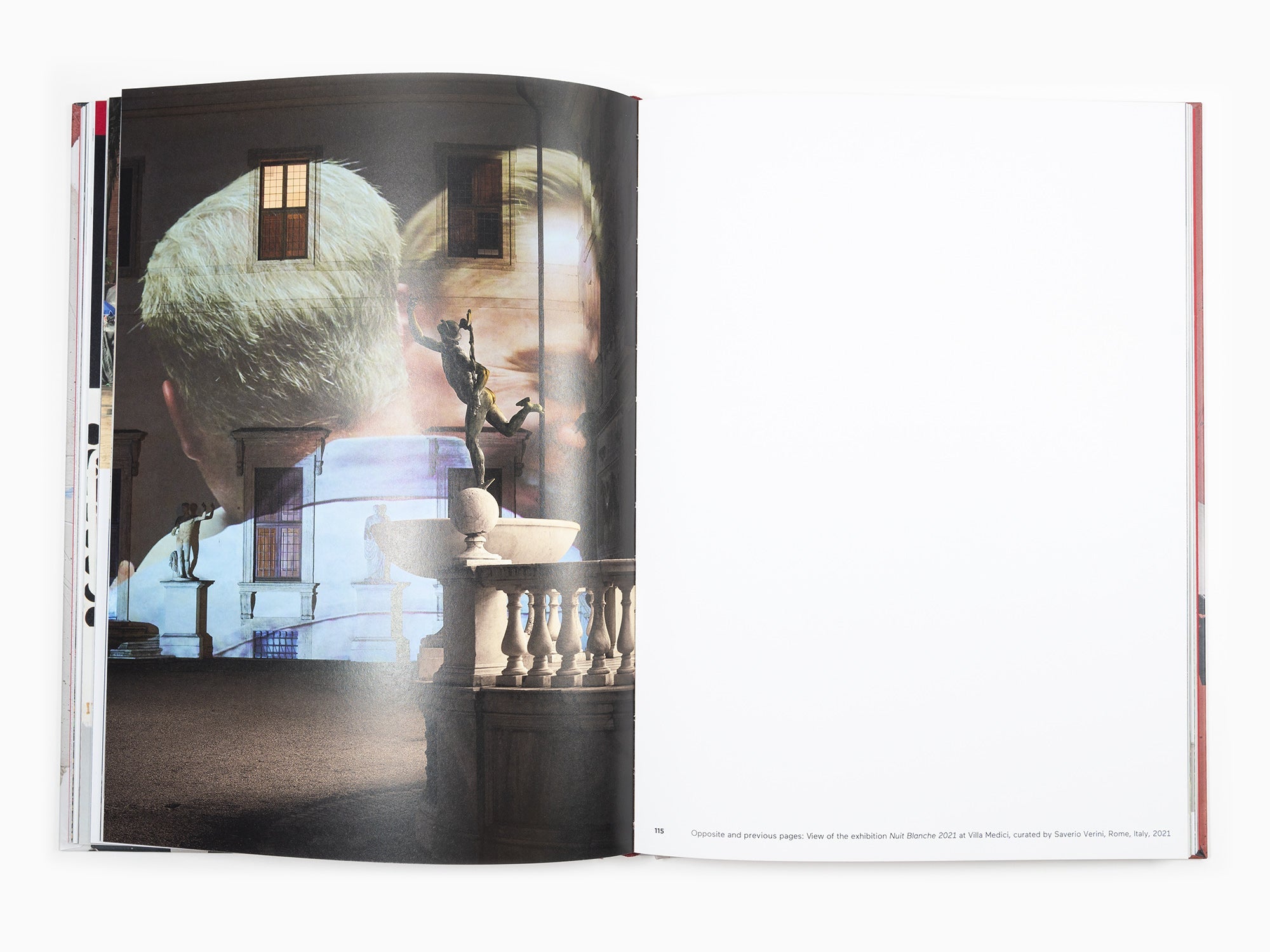
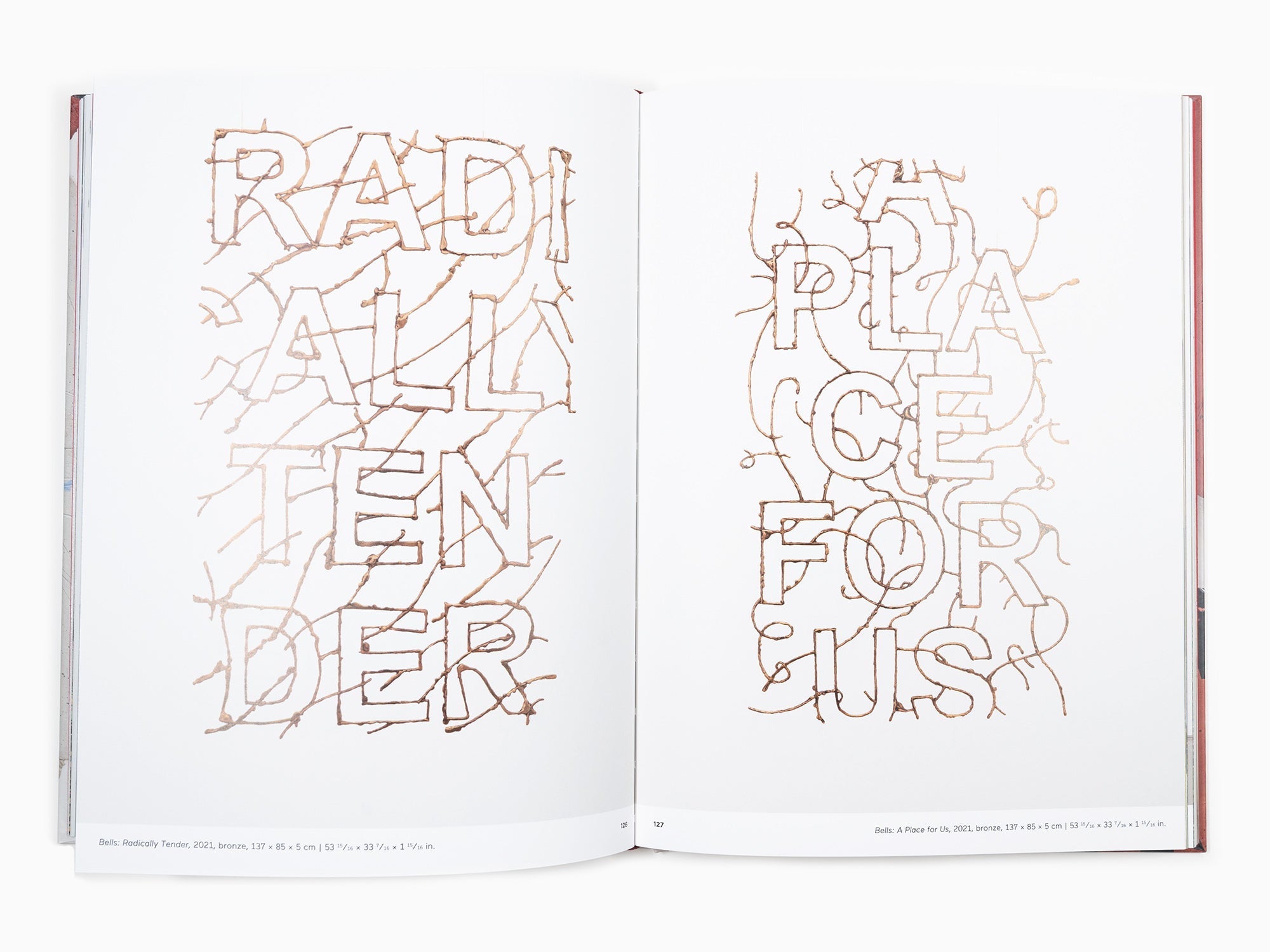
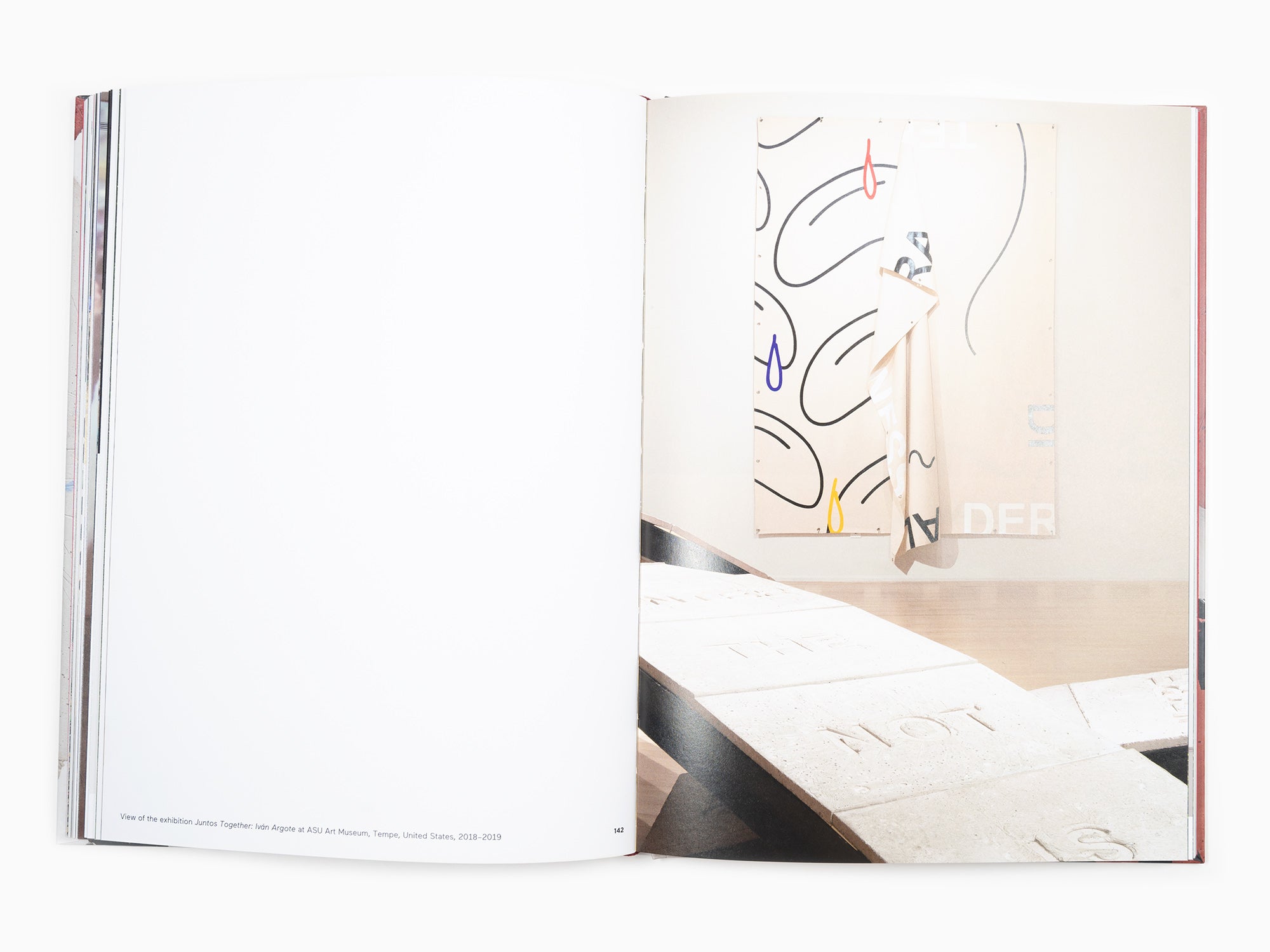
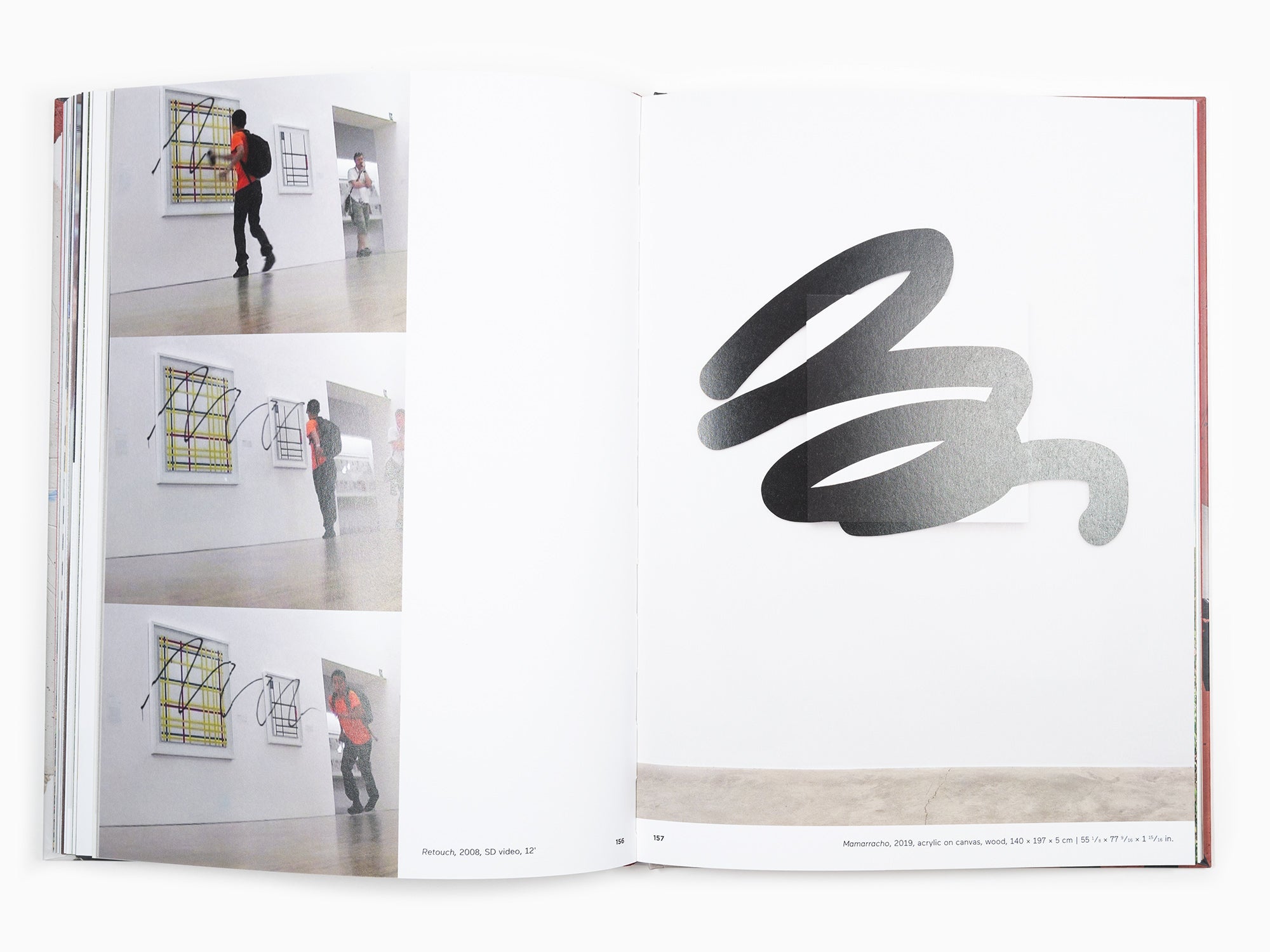
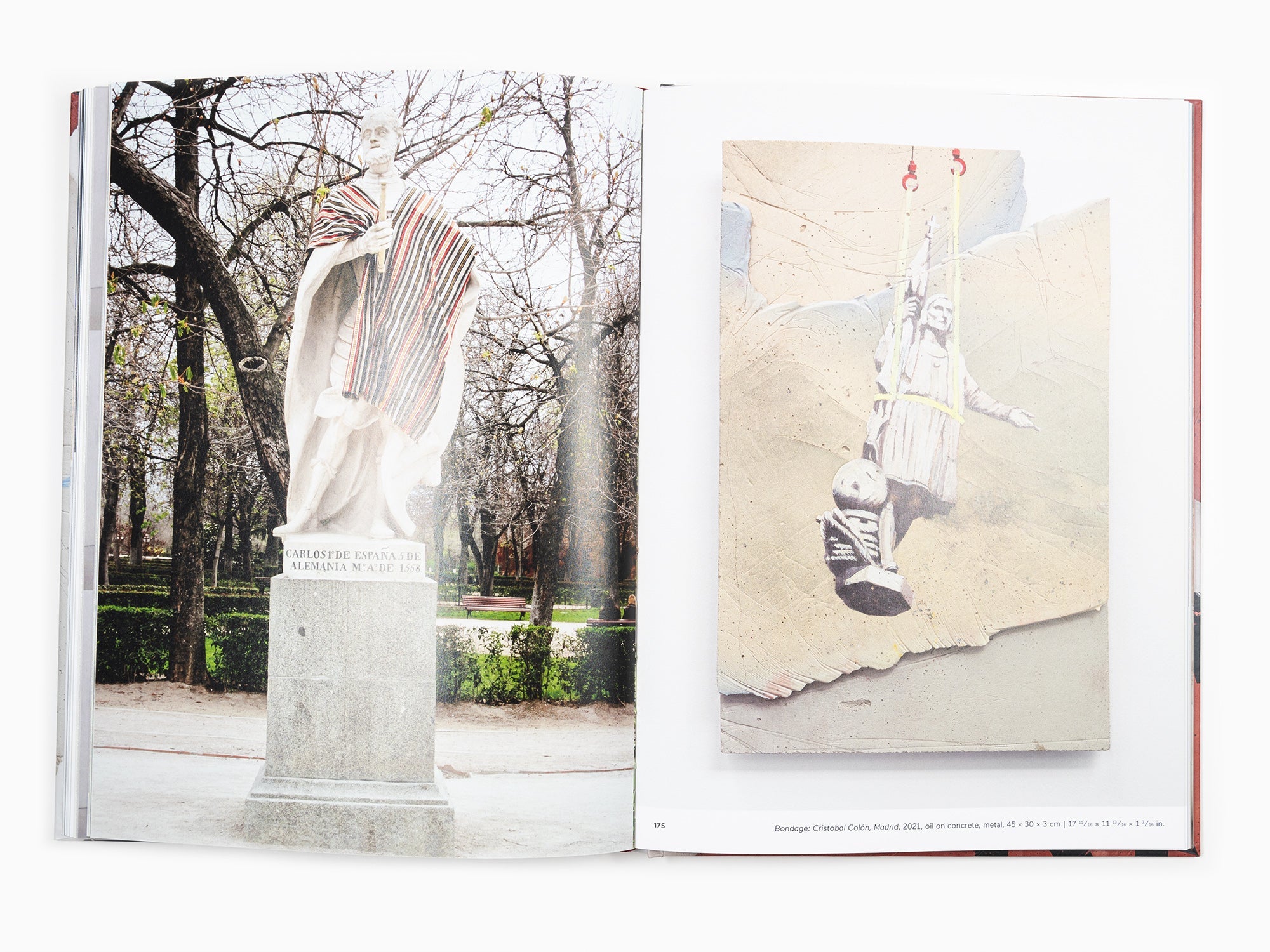
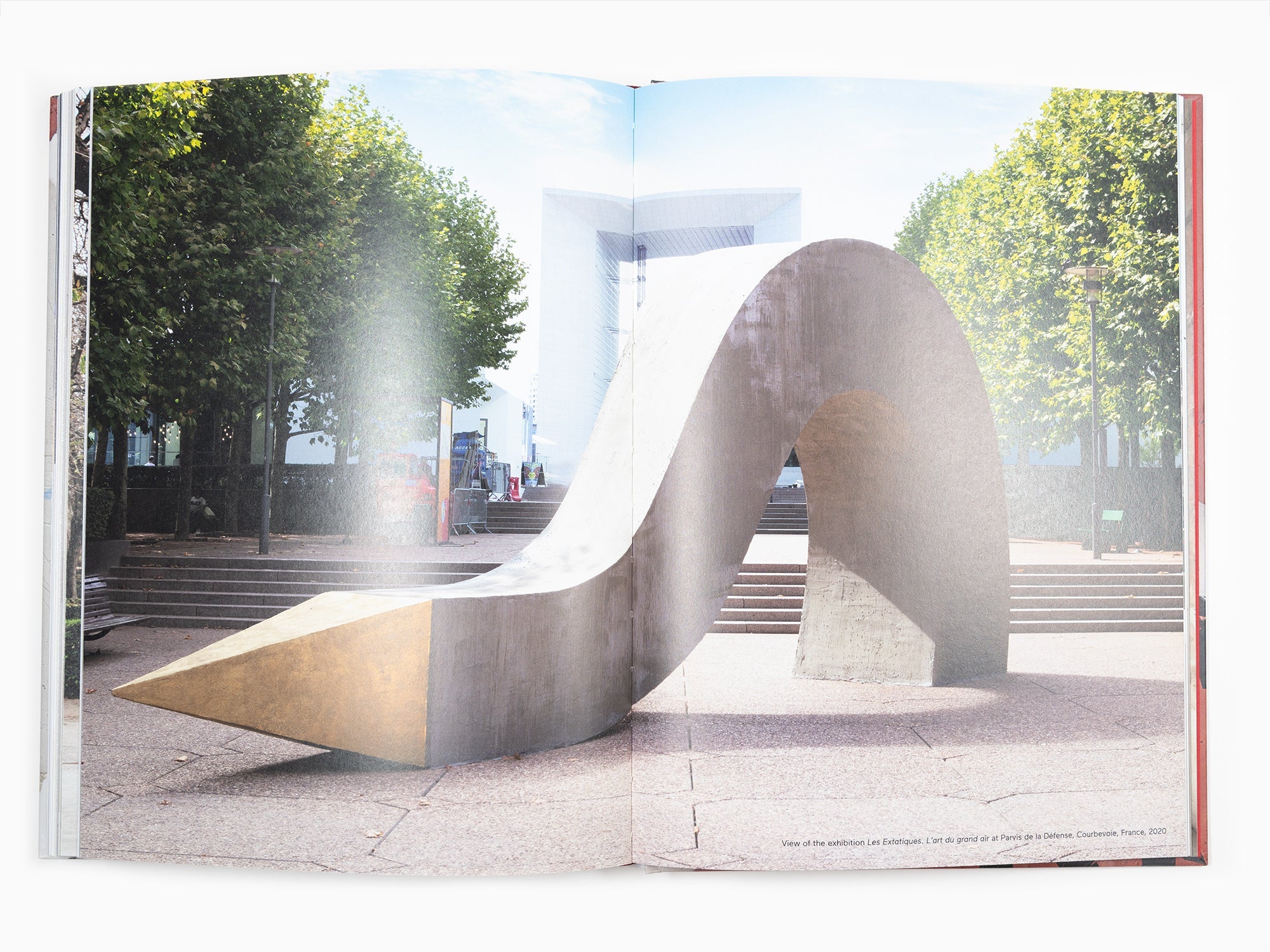
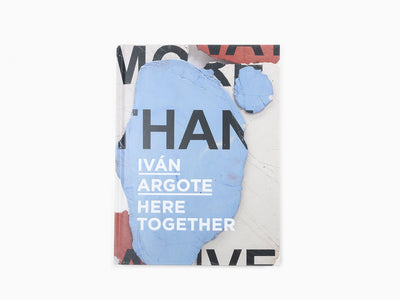
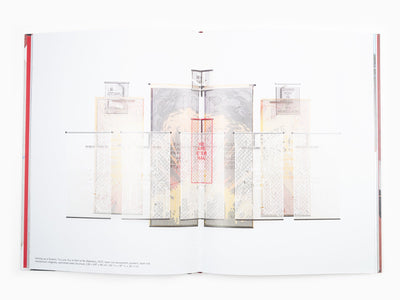
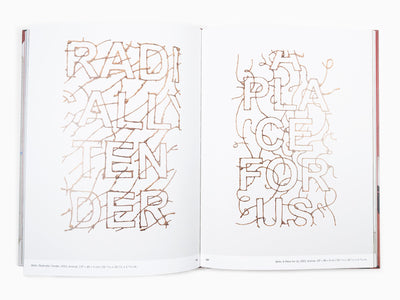
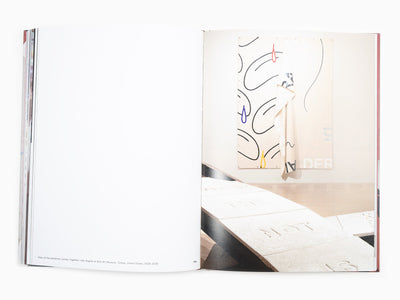
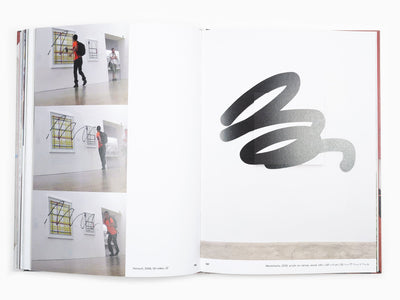
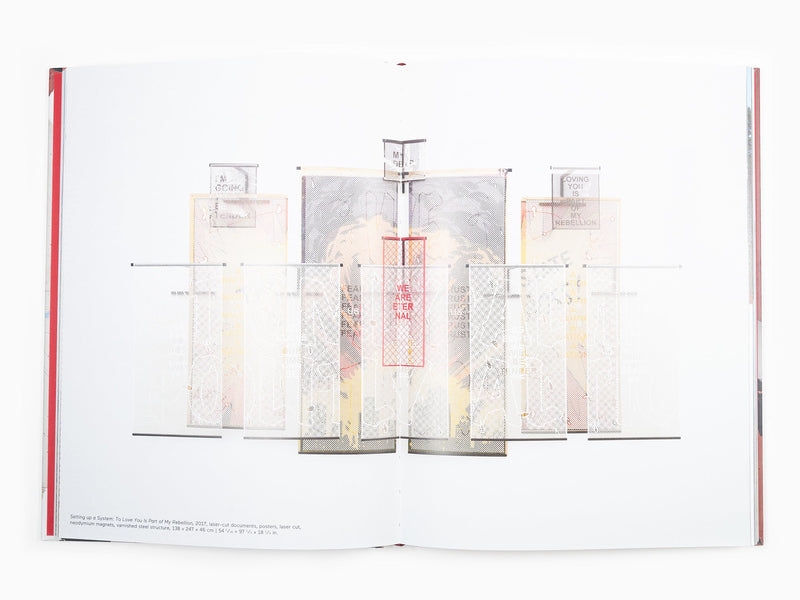
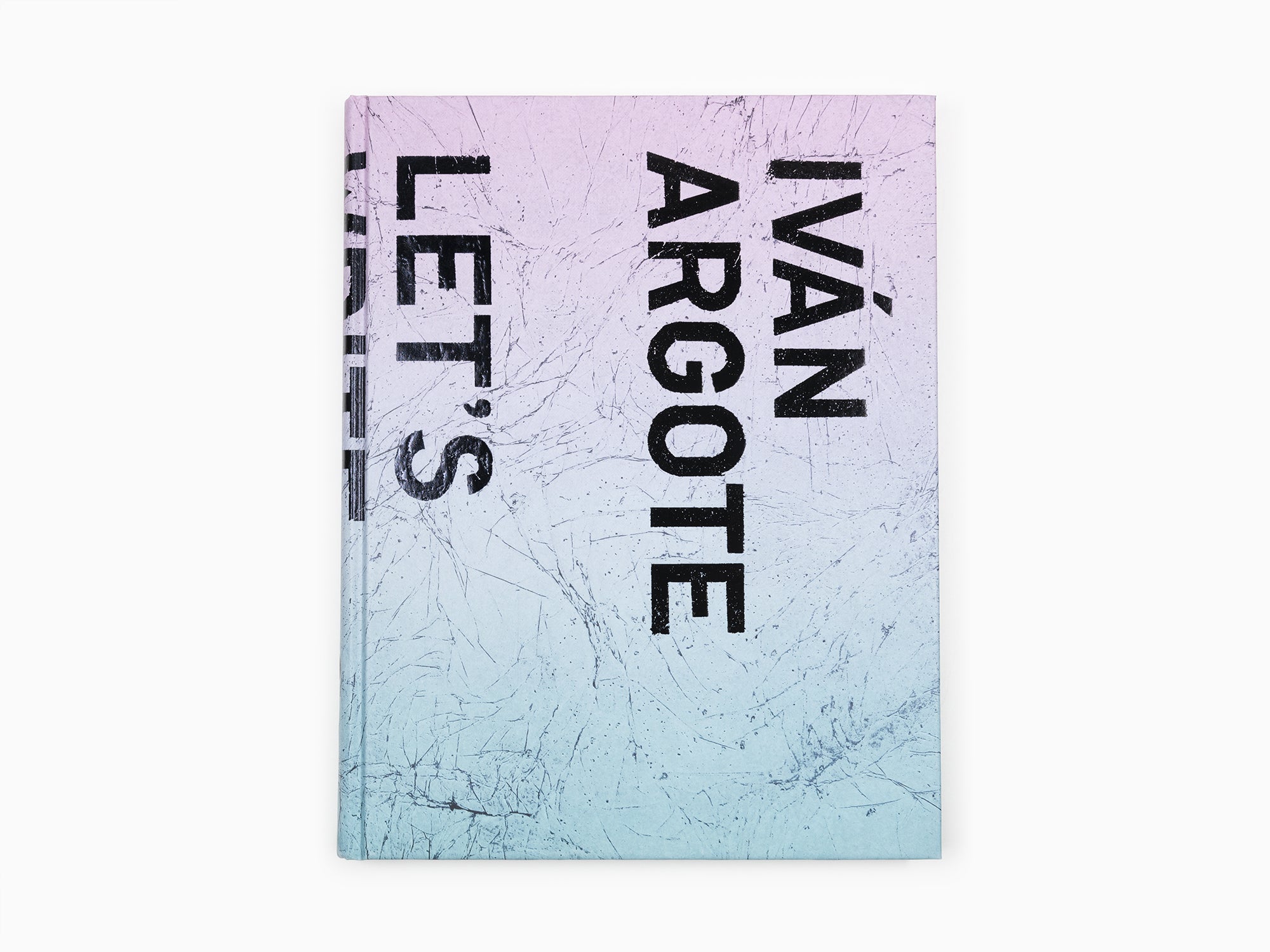
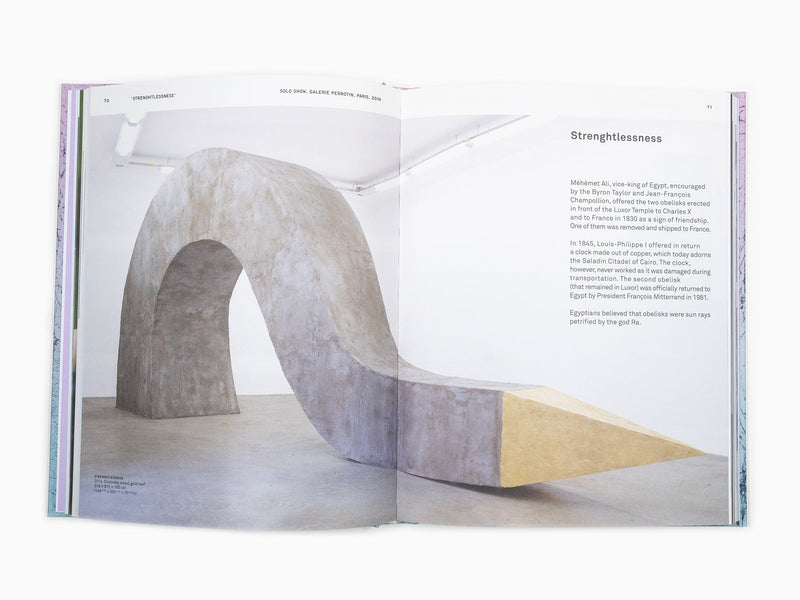
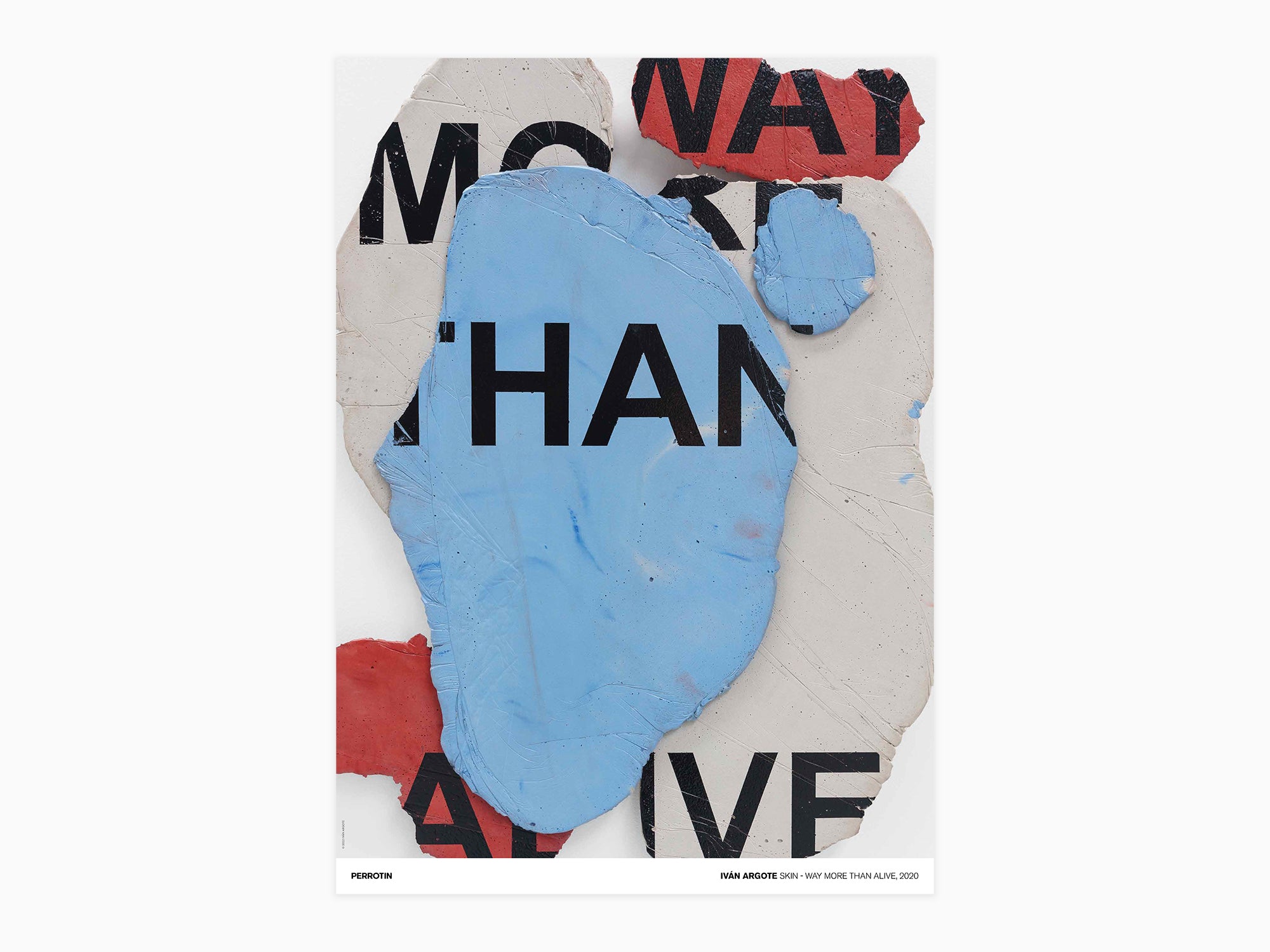
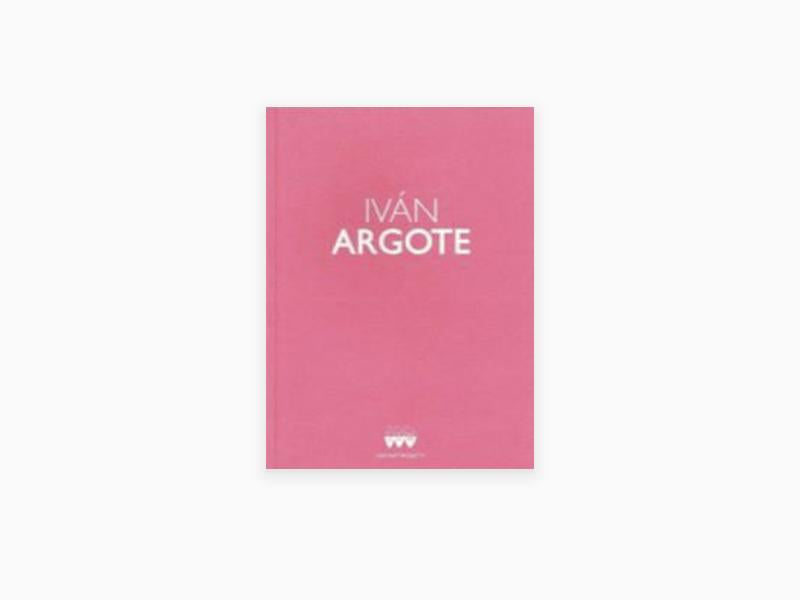
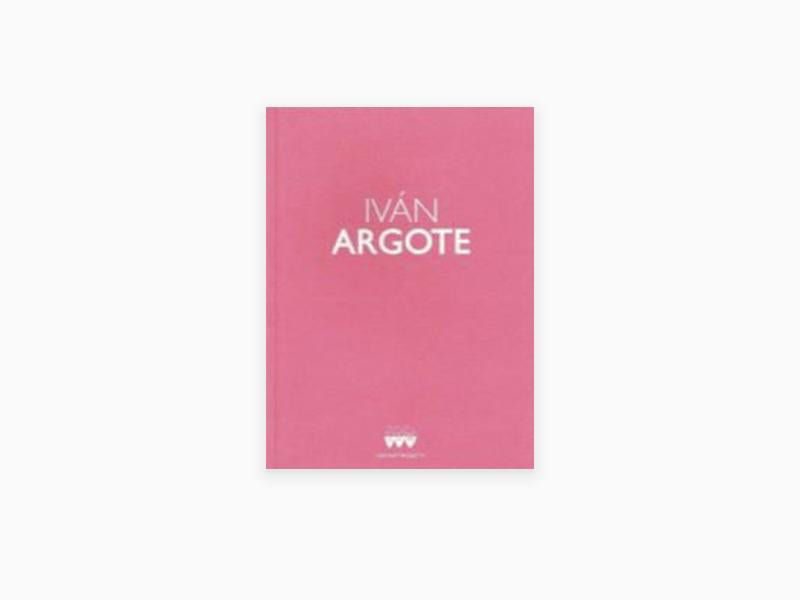
Cette monographie consacrée à Ivan Argote met en lumière la richesse de l'oeuvre de cet artiste colombien. A travers la photographie, le cinéma, la sculpture mais aussi la peinture, celui-ci nous invite à repenser les liens entre l'intime et la politique et à remettre en question les défenseurs des idéologies dominantes.
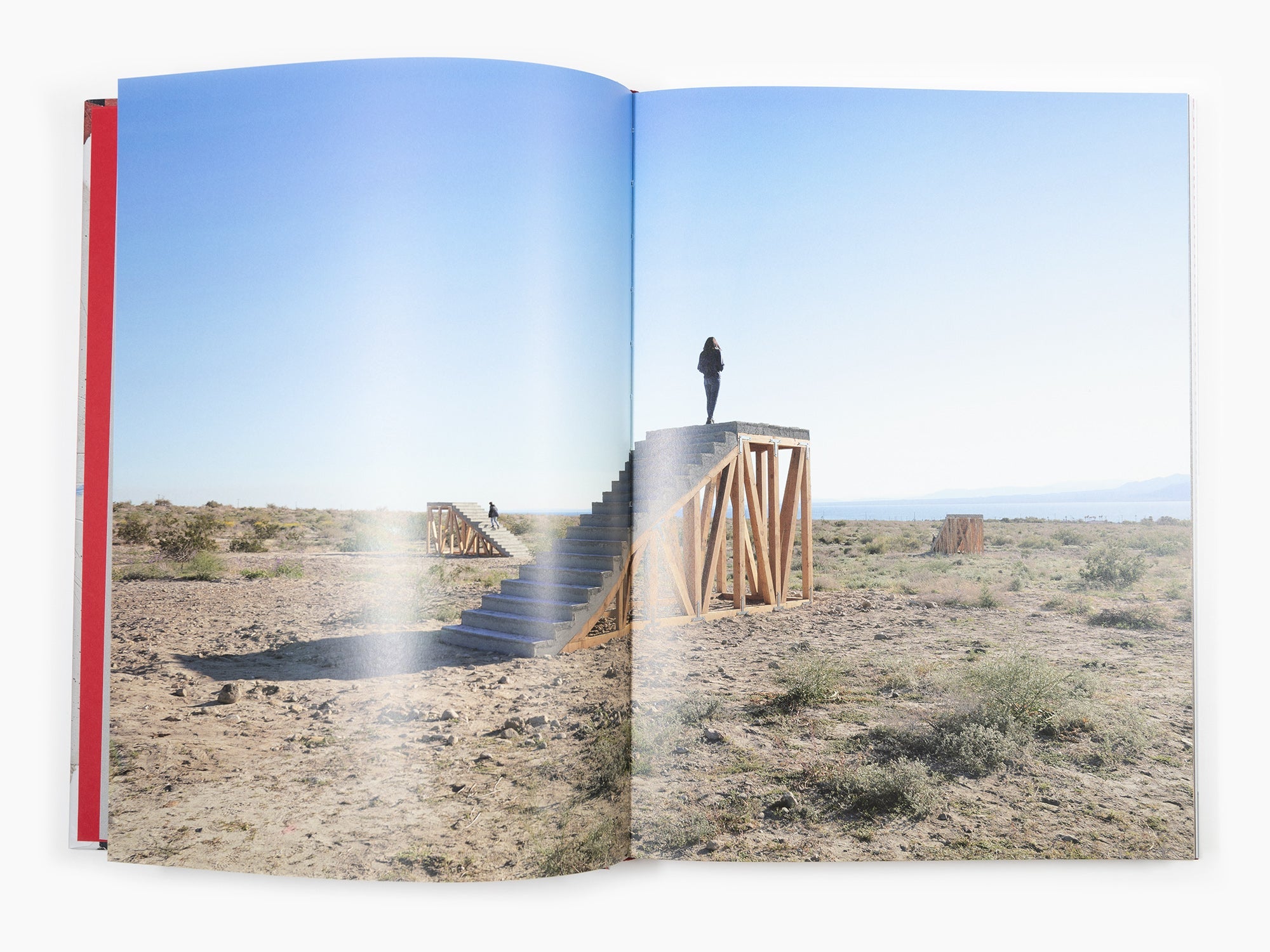
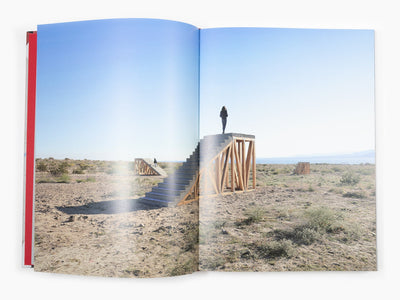
This book starts with an essay by author and curator Matthew Schum. It discusses a major project by Iván Argote: A Point of View, a site specific work by the artist installed in Coachella Valley during the Biennale Desert X. It discusses its genesis, and situates this piece in Argote's work.
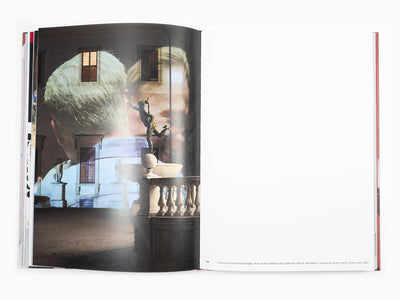
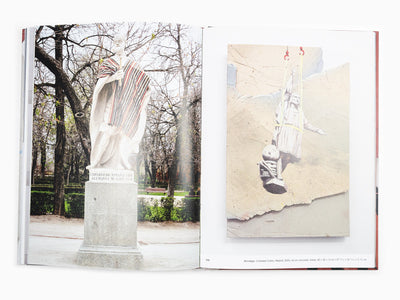
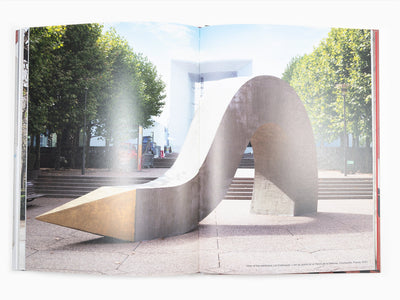
This essay is followed by an interview of Ivan Argote by Kathryn Weir; she questions the artist on his conception of the "monument", a transversal theme in his work that casts a critical eye on the mode of representation of power that the monument constitutes.



Publié par Perrotin, 2022
232 pages, hardcover
27 x 20 cm
Textes en anglais
Text by Matthew Schum, interview of the artist by Kathryn Weir
Prix TTC. La TVA peut être retirée en fonction de votre localisation.
Livraison et retourCette monographie consacrée à Ivan Argote met en lumière la richesse de l'oeuvre de cet artiste colombien. A travers la photographie, le cinéma, la sculpture mais aussi la peinture, celui-ci nous invite à repenser les liens entre l'intime et la politique et à remettre en question les défenseurs des idéologies dominantes.

This book starts with an essay by author and curator Matthew Schum. It discusses a major project by Iván Argote: A Point of View, a site specific work by the artist installed in Coachella Valley during the Biennale Desert X. It discusses its genesis, and situates this piece in Argote's work.
This essay is followed by an interview of Ivan Argote by Kathryn Weir; she questions the artist on his conception of the "monument", a transversal theme in his work that casts a critical eye on the mode of representation of power that the monument constitutes.