A Guide to Art Toys: Understanding this Art Object - Perrotin Store Paris
Sac à dos DOB inspiré de Takashi Murakami.

Focus on art toys: history, artists and collection

What is an art toy?

There’s an apparent contradiction in the term art toy. “Toy” brings to mind childhood, play, something you can handle. “Art” suggests contemplation, intention, and creative direction. It is precisely within that tension that the designer toy emerged.

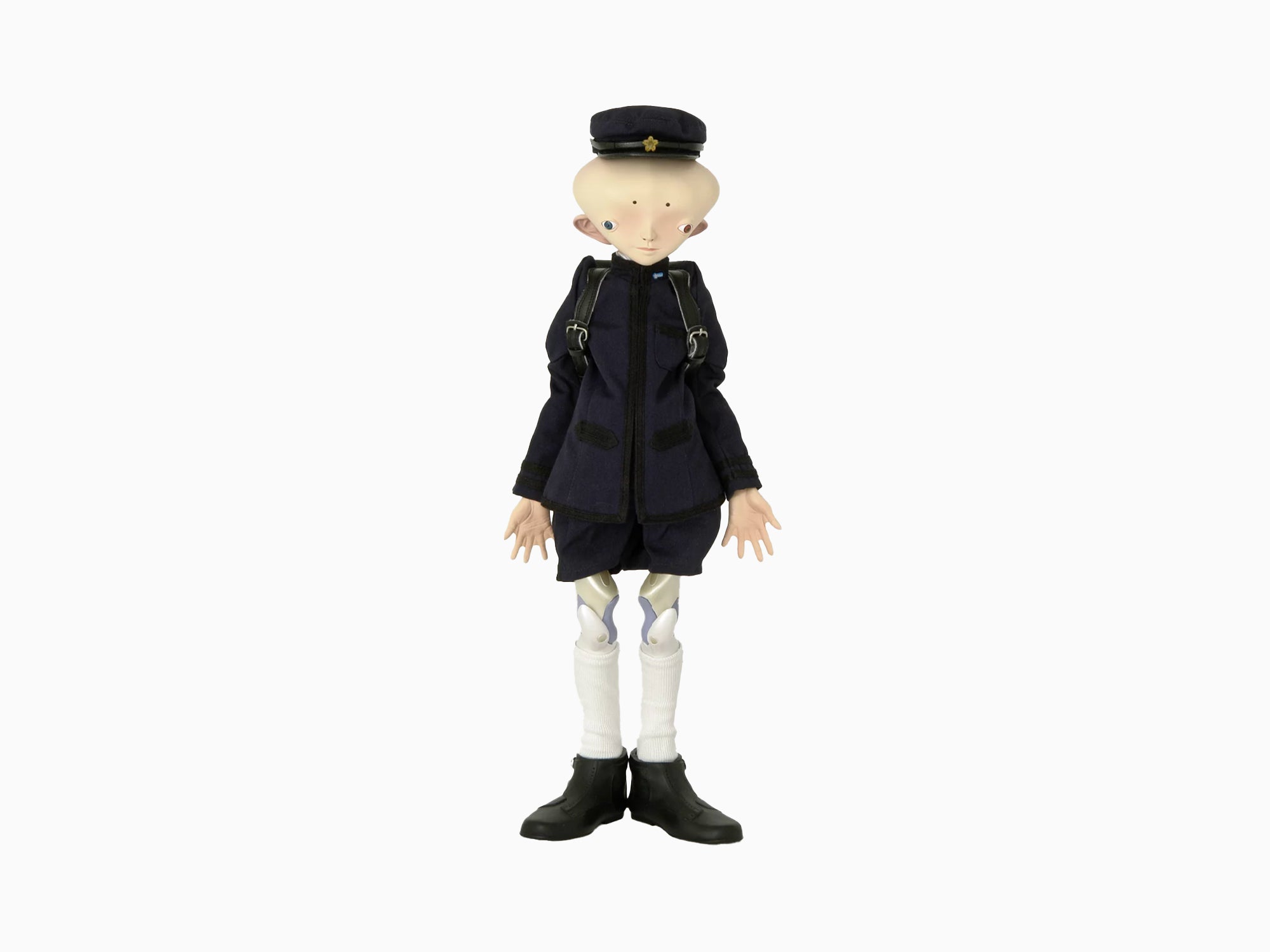
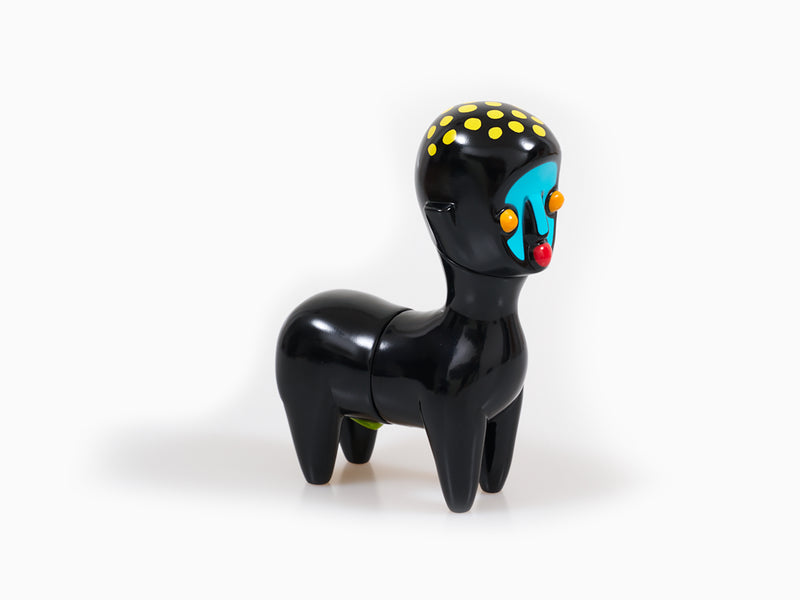
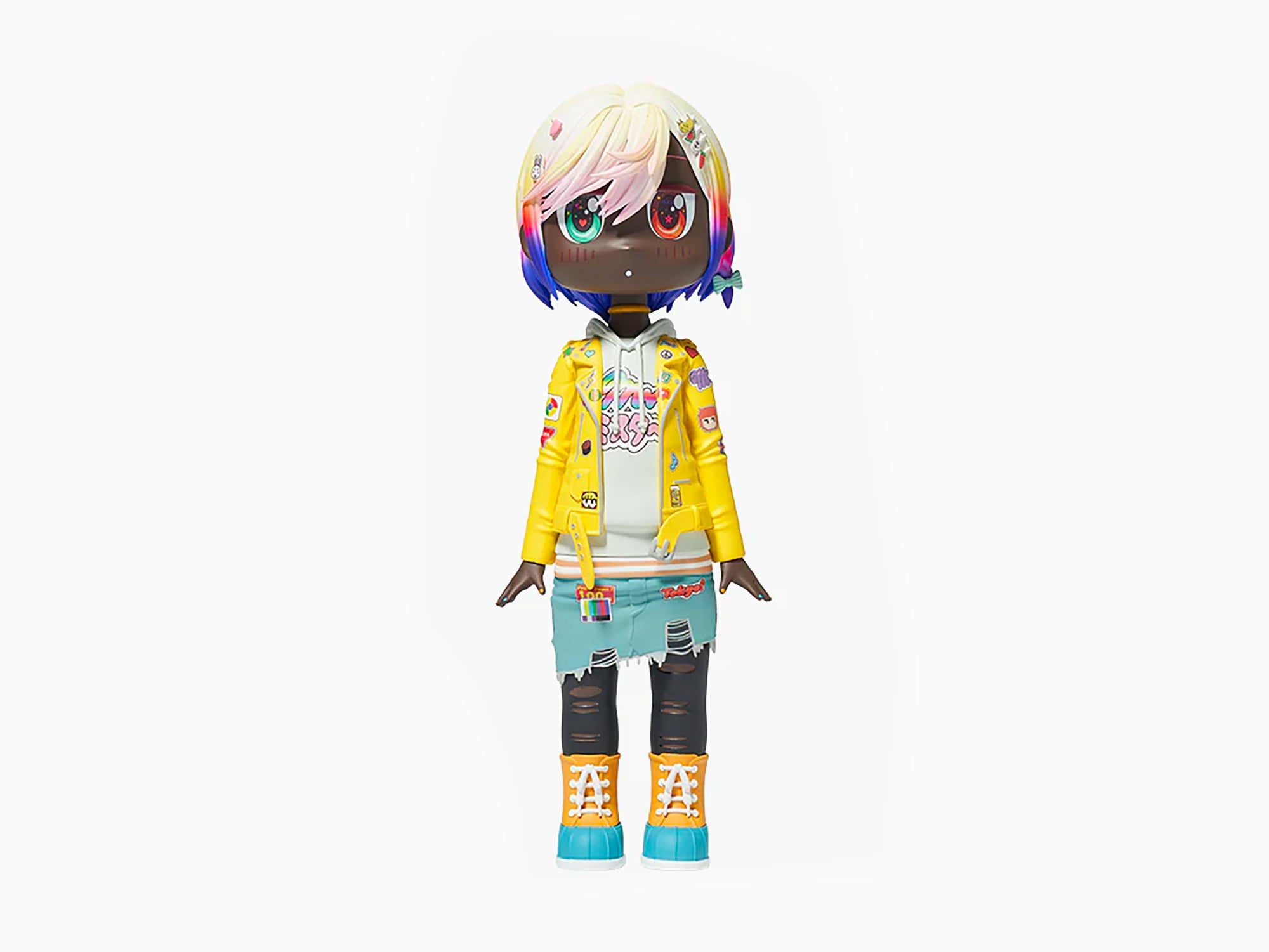
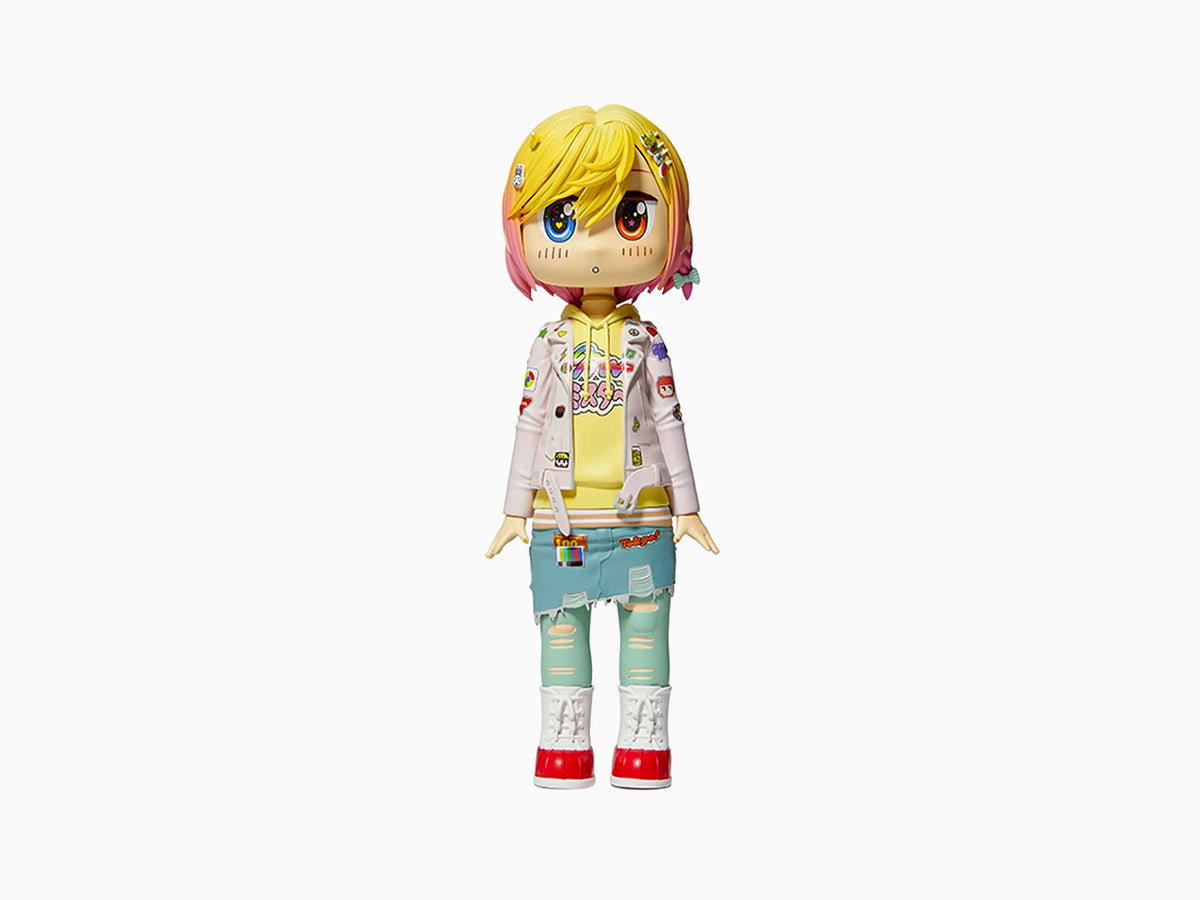
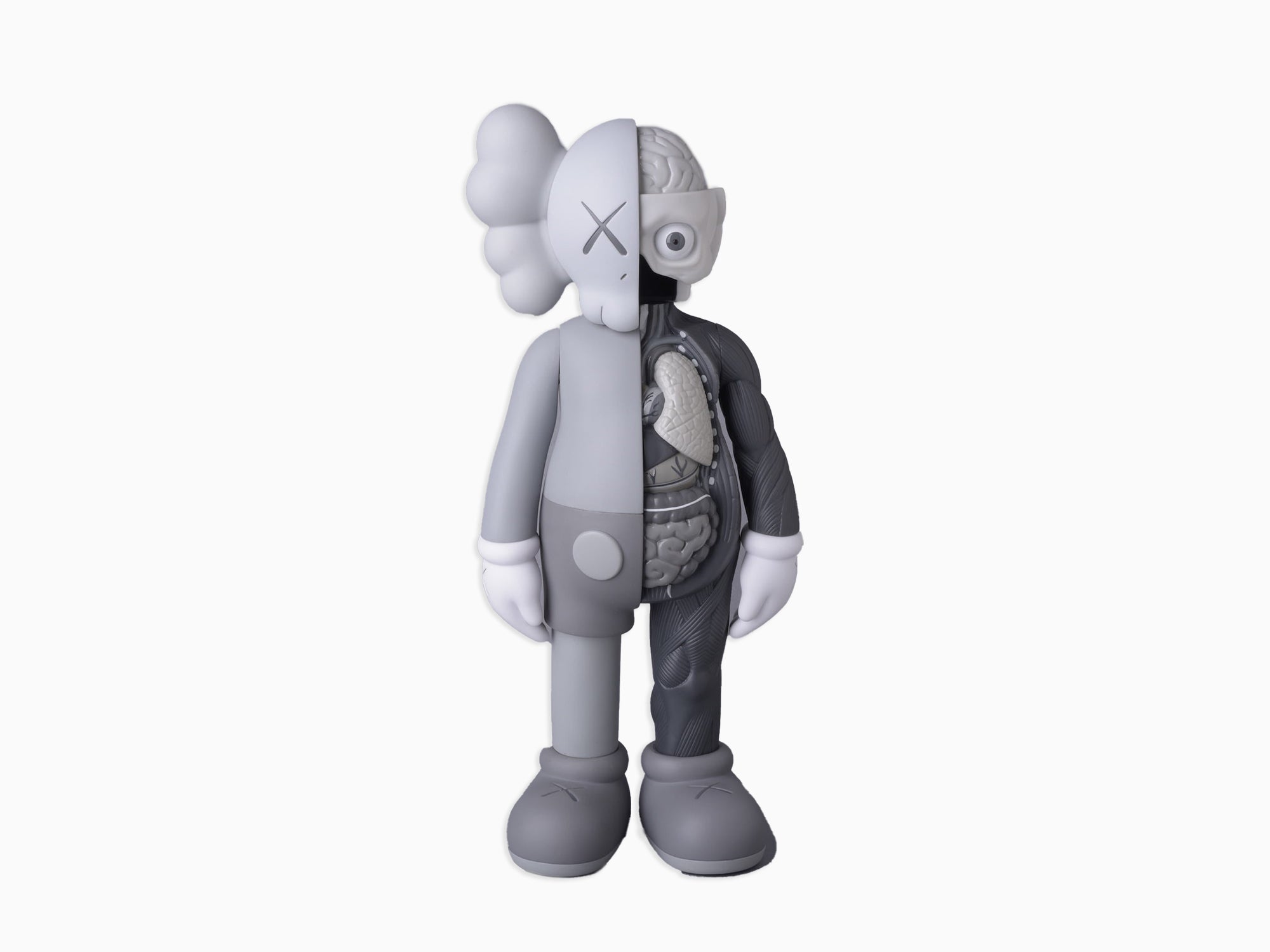
An art toy is a figurine created by an artist or designer, produced in limited edition or as a unique piece, and conceived as a work of art. Unlike a traditional jouet, it is not made to be played with, but to be displayed. Its purpose is not playful - it is aesthetic, cultural, sometimes conceptual.

An art toy can be defined as a contemporary collectible objectborn from the meeting point of:

  • Toy design
  • Urban visual culture
  • Graphic art and illustration
  • Street art and graffiti
  • Industrial design and cultural marketing

These figures are often produced in vinyl, resin, or molded plastic. Some are produced by specialized companies, while others are created directly by the artist in a more experimental context.

What defines them? A strong visual identity. A recurring character. A recognizable series. A narrative dimension.

Why art toys are considered contemporary art objects


What distinguishes an art toy from a classic figurine comes down to several key elements:

  • A clearly defined limited edition
  • A recognized artist or designer name
  • Positioning within the artistic ecosystem
  • Distribution through galleries, concept stores, or specialized shops

Where mainstream toys follow industrial mass-production logic, art toys operate within an author-driven approach. They may reference pop culture, manga, street art, or urban visual codes, but they always carry artistic intention.

Collecting art toys means recognizing them as small-scale works of art. Behind each figure lies an exploration of society, consumer culture, identity - sometimes even a subtle critique of branding and marketing systems. The art toy becomes a medium. An accessible format. A miniature sculpture that speaks to our time.


What is the history of art toys?

Before being shown in galleries, the art toy began as an experimental gesture. It was a way for artists to reclaim a manufactured object and turn it into a creative platform. Here’s a look back at how it evolved.

Origins and genesis of the movement

The history of designer toys begins in the late 1990s, particularly in Hong Kong and Japan. Creators such as Michael Lau and Eric So transformed the traditional figurine into an artistic medium. They drew inspiration from skate culture, hip hop, manga, and the street.

Around the same time in Japan, the company Medicom Toy introduced the Bearbrick, which quickly became an iconic model. This modular bear figure soon turned into a platform for collaboration between artists, brands, and designers. Each version - black, white, red, or multicolored - became a space for experimentation.

Gradually, these figures moved beyond the simple status of collectible toys and entered the world of urban vinyl. They were produced in limited edition, sometimes numbered, sometimes signed. Their rarity created desirability.

During this period, we saw the emergence of:

  • The Dunny by Kidrobot
  • Qee toys
  • Early collaborations between artists and manufacturers
  • An international community of collectors

The art toy became a real cultural phenomenon, especially in the United States, in cities like New York, and later across Europe.

The shift toward contemporary art

In reality, the turning point came when galleries began to take interest.

Artists coming from street art and pop culture, such as Ron English, integrated their work into broader reflections on consumer society. The figures became miniature sculptures - sometimes critical, sometimes ironic.

Gradually, art toys entered the contemporary art ecosystem: dedicated exhibitions, collaborations with international galleries, presence in specialized concept stores, and inclusion in private collections.

Artists such as Takashi Murakami, whose work brings together Japanese tradition and global pop culture, contributed to this recognition. The toy became an extension of their practice — a three-dimensional variation of a universe already present in painting or print.

This transition from toy to artwork is not insignificant. It reflects a shift in perception.

Collecting means acknowledging that the material (often vinyl) can carry a genuine artistic vision. The art toy is no longer a marginal object. It has become a recognized element of the contemporary cultural landscape.

What types of art toys are available?

There is a wide variety of art toys, but the logic behind them remains simple: a format, a material, a series, an intention. Behind every figurine lies an aesthetic and technical choice that shapes how it is perceived and valued.

Vinyl and plastic art toys

Vinyl toys are the most common category. Lightweight, durable, and easy to mold, they allow for bold shapes and strong colors.

This includes Bearbrick models by Medicom, Dunny figures, and pieces created through street art collaborations.

Vinyl makes controlled production possible, often in limited edition, while keeping a relatively accessible price point. This format is especially appreciated by collectors for its visual consistency and ease of display.

Limited edition art toys

Limited edition production sits at the core of the art toy market.

A numbered series, sometimes signed, can transform a figurine into a real collectible object. Some pieces are produced in a few hundred units, others in only a few dozen.

In this context, the unit price depends on:

  • The artist’s name
  • The size of the series
  • Demand on the secondary market

Custom and one-of-a-kind art toys

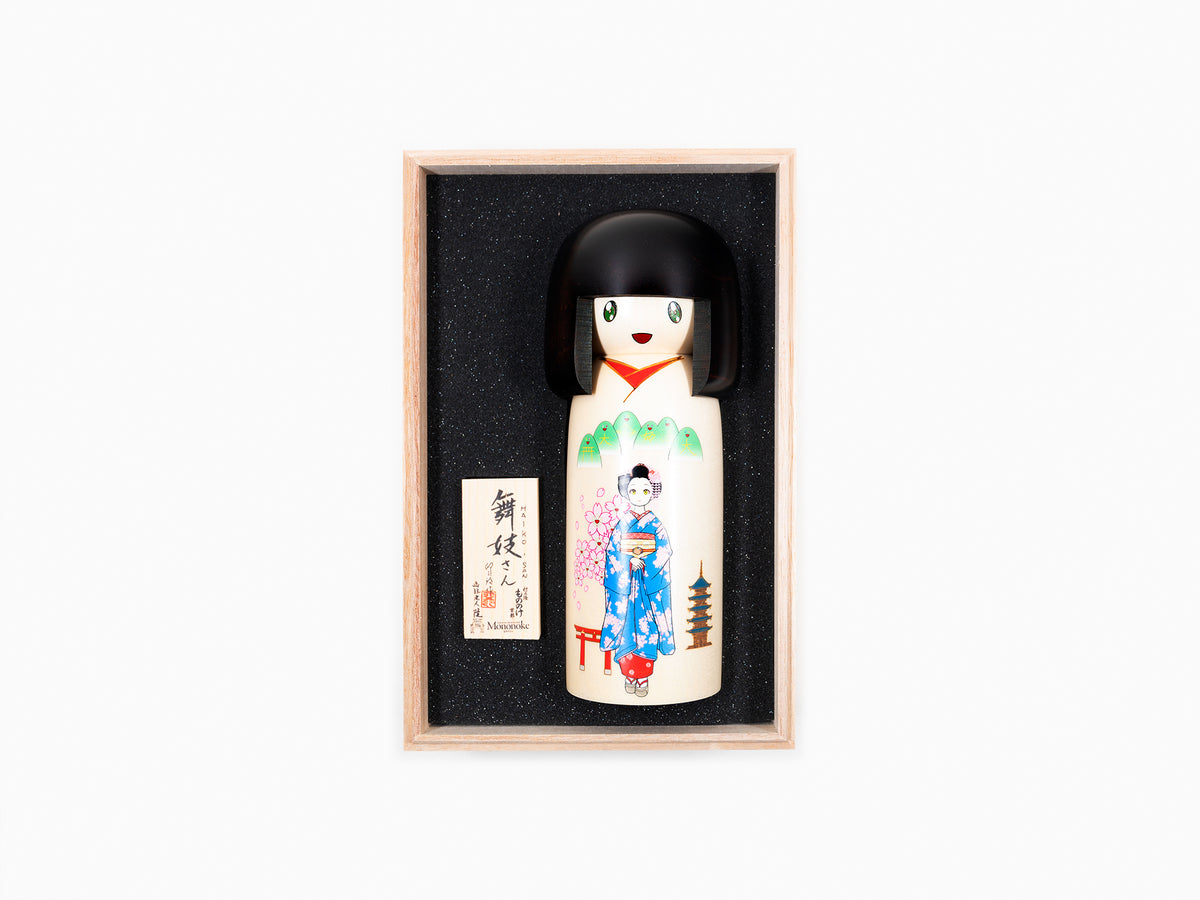
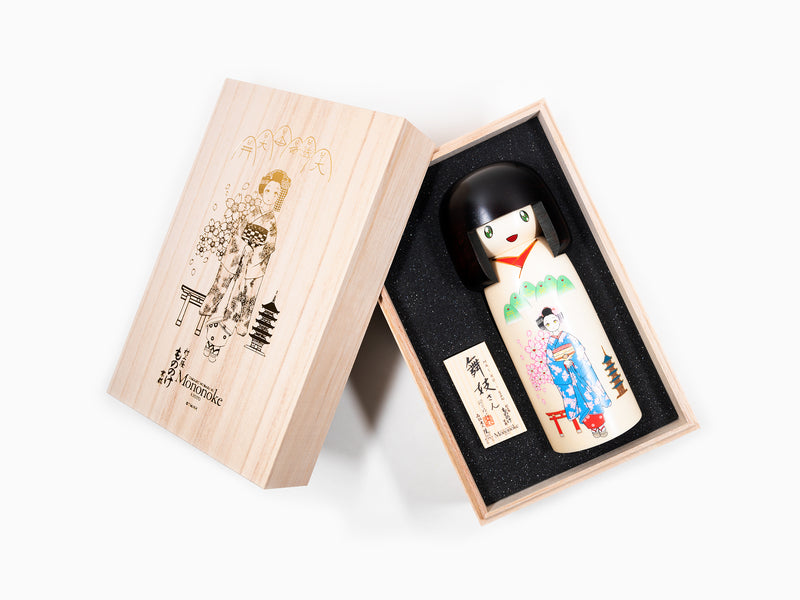
Some artists choose to paint or modify an existing figure by hand. These are known as custom or unique pieces.

These creations move closer to contemporary sculpture. Each intervention alters the material, the surface, sometimes even the narrative dimension of the object. In this case, the art toy becomes almost an original artwork, positioned somewhere between figurine and miniature sculpture.

Other materials and formats

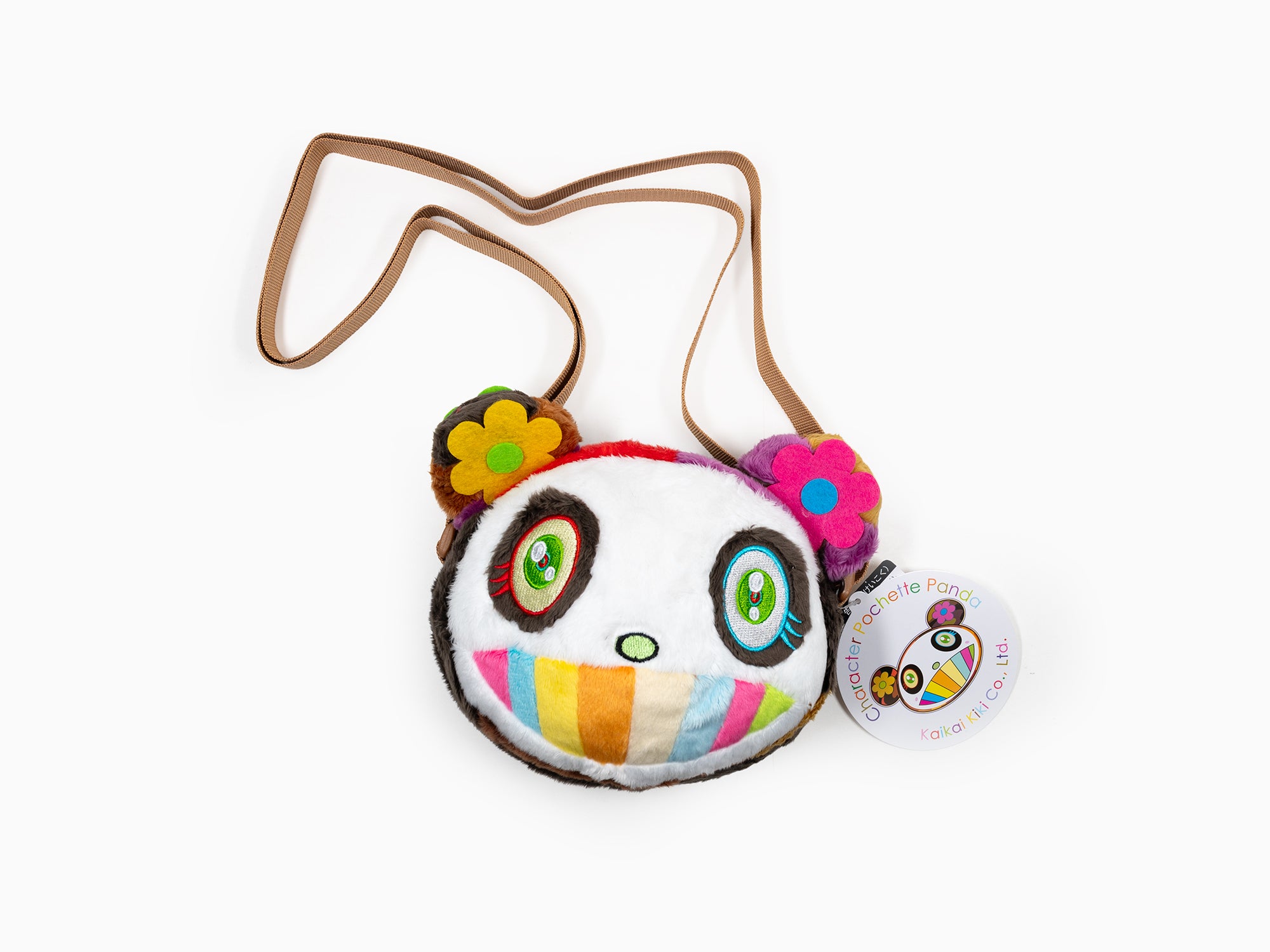
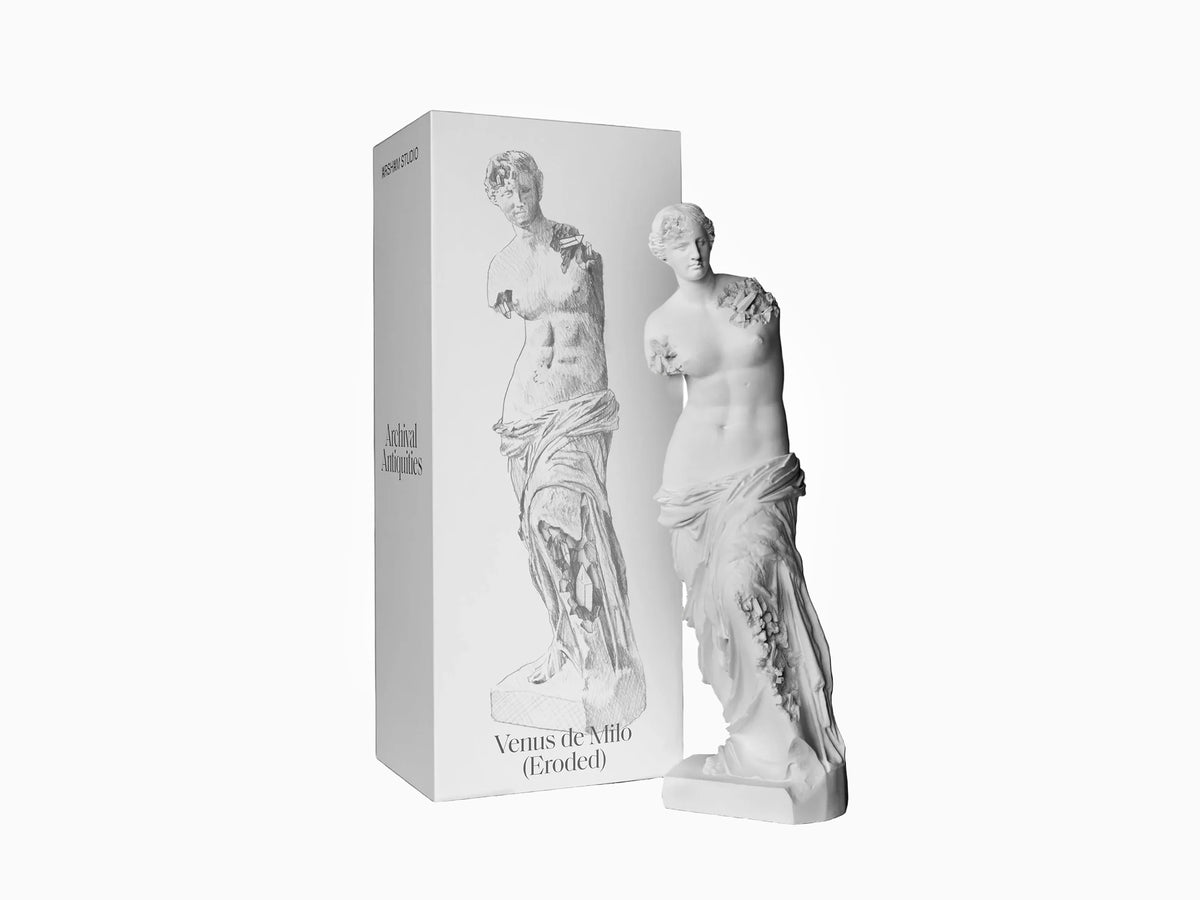
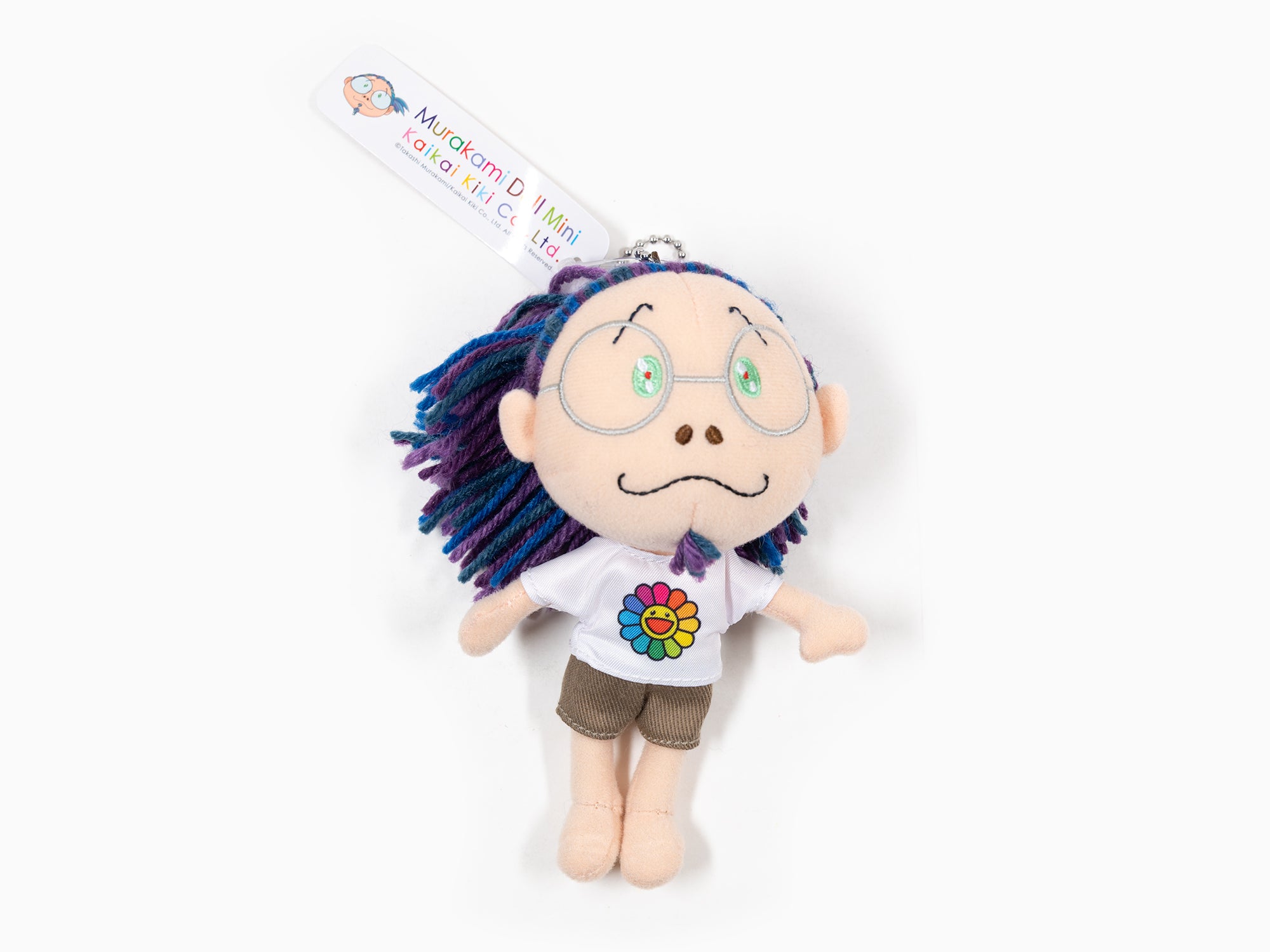
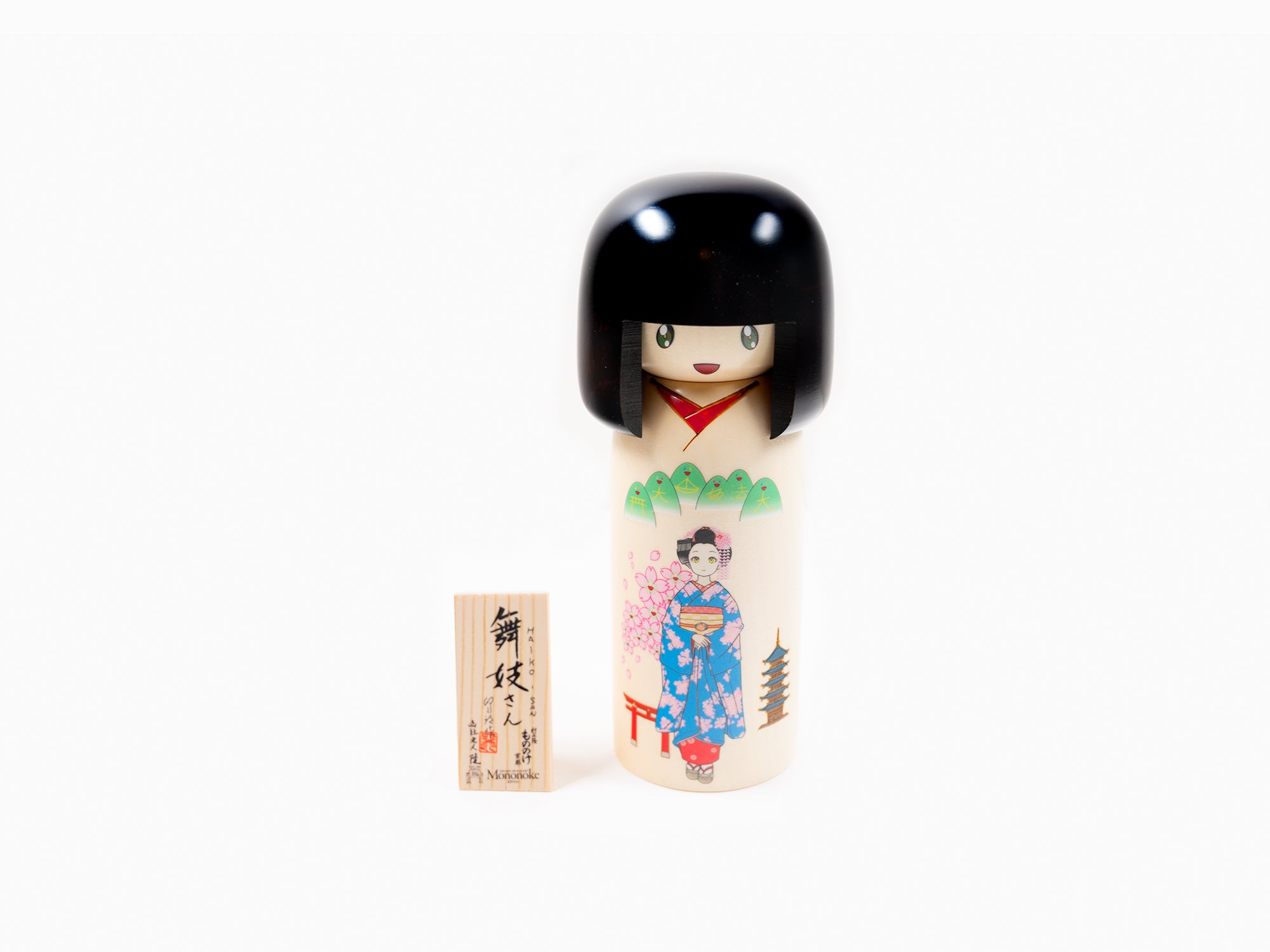
While vinyl dominates, other formats exist: resin, wood, metal, and textile (such as plush dolls). Some studios also explore hybrid formats, blending toy design with urban art.

This ongoing dialogue between technique and creation continues to shape the evolution of the medium.

In the end, the type of art toy you choose depends less on the material than on your perspective. Collecting means recognizing presence, coherence, and artistic intent.

Who are the artists and designers behind art toys?

Behind every art toy, there is a signature. A point of view. Sometimes even a pseudonym that has become a reference within contemporary visual culture.

The emblematic figures of the movement

The designer toy movement took shape around a few key pioneers.

In Hong Kong, Michael Lau is widely considered one of the founders of the urban vinyl movement. In the United States, Ron English reworked advertising codes to create critical figures positioned between pop culture and social satire.

Artists such as Frank Kozik also helped establish toy design within alternative culture.

Contemporary artists creating art toys

Over time, artists working in contemporary art began exploring this medium.

For example:

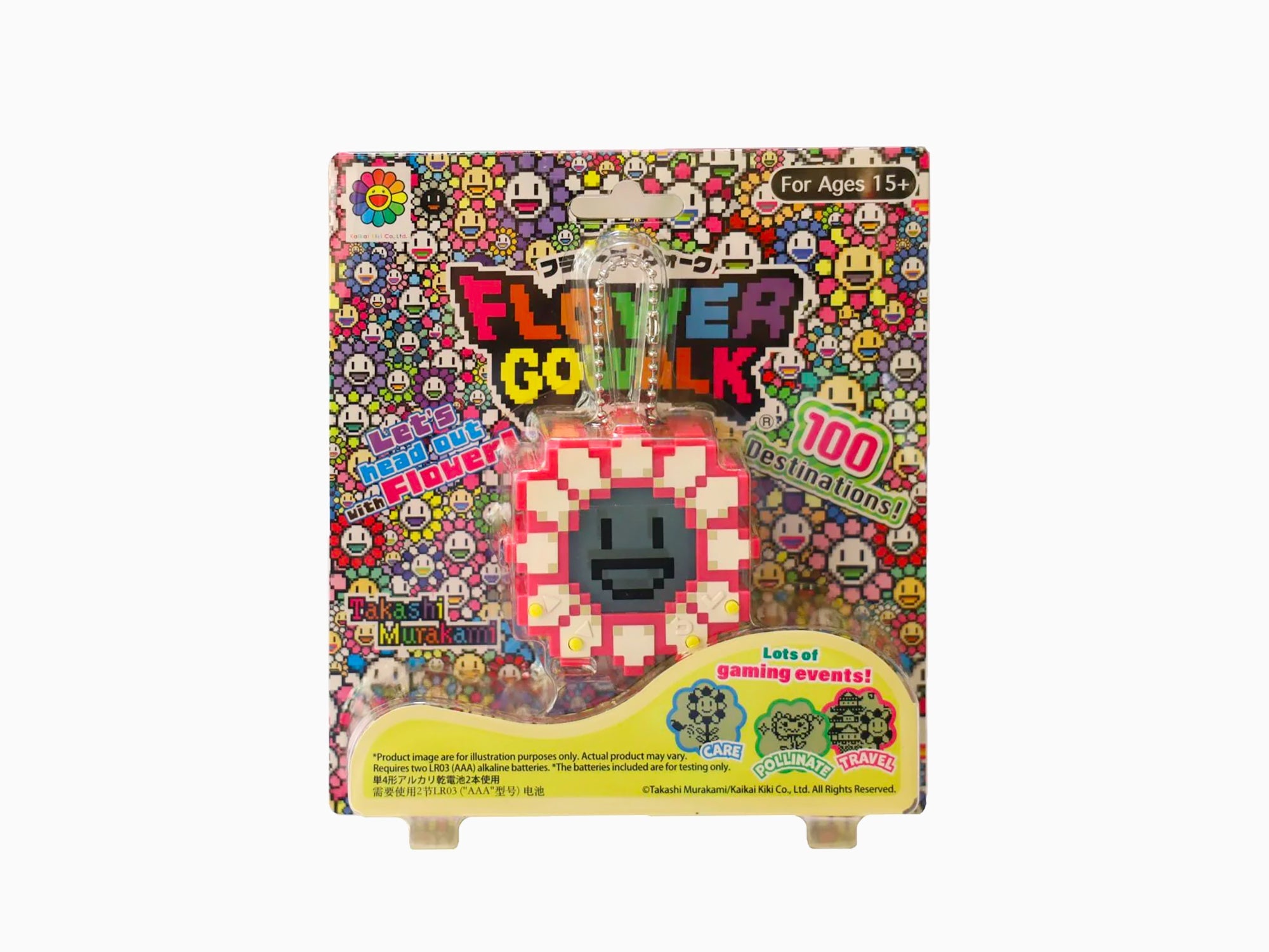
  • Takashi Murakami expands his characters into three-dimensional versions, extending his universe across painting, sculpture, and figurine.
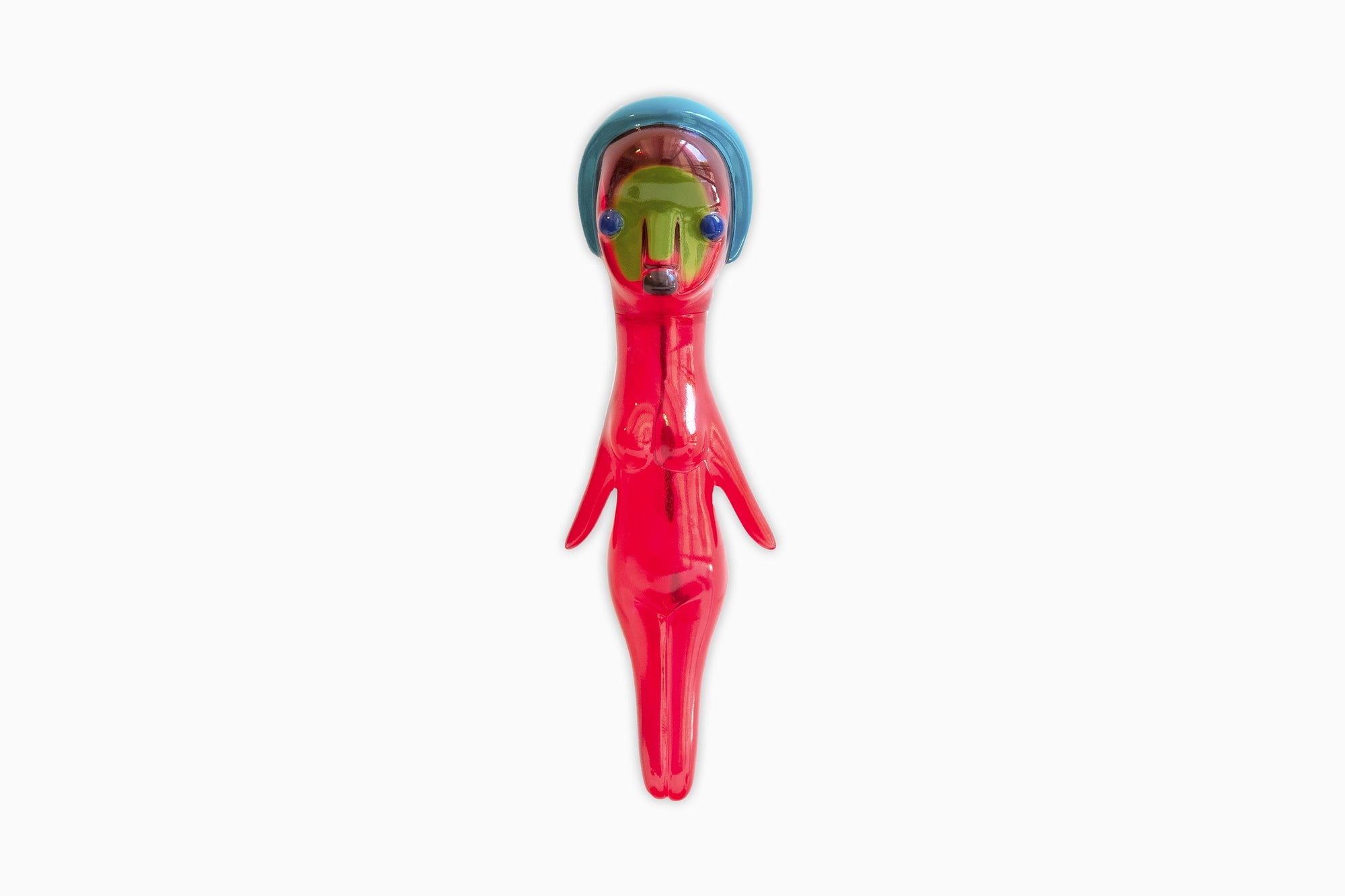
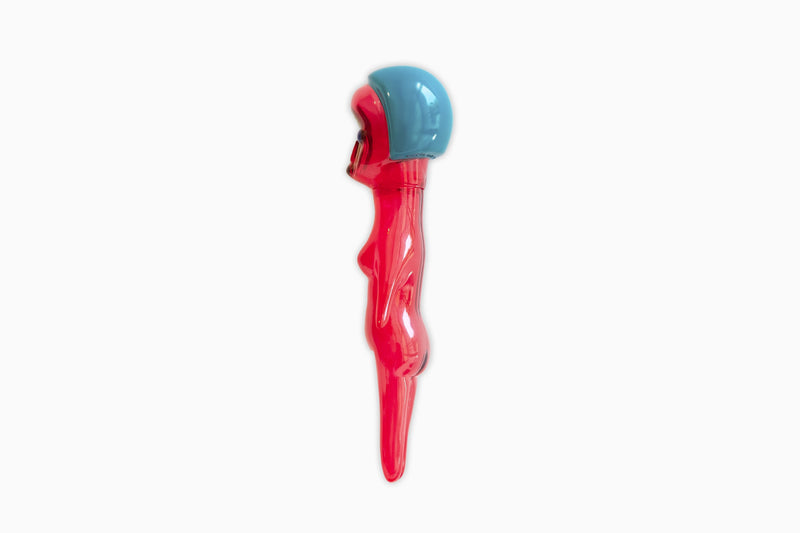
  • Izumi Kato translates his enigmatic wide-eyed figures into sculptures and art toys with organic forms.
  • Mr. incorporates his colorful characters into reflections on otaku culture and the urban imagination in Japan.
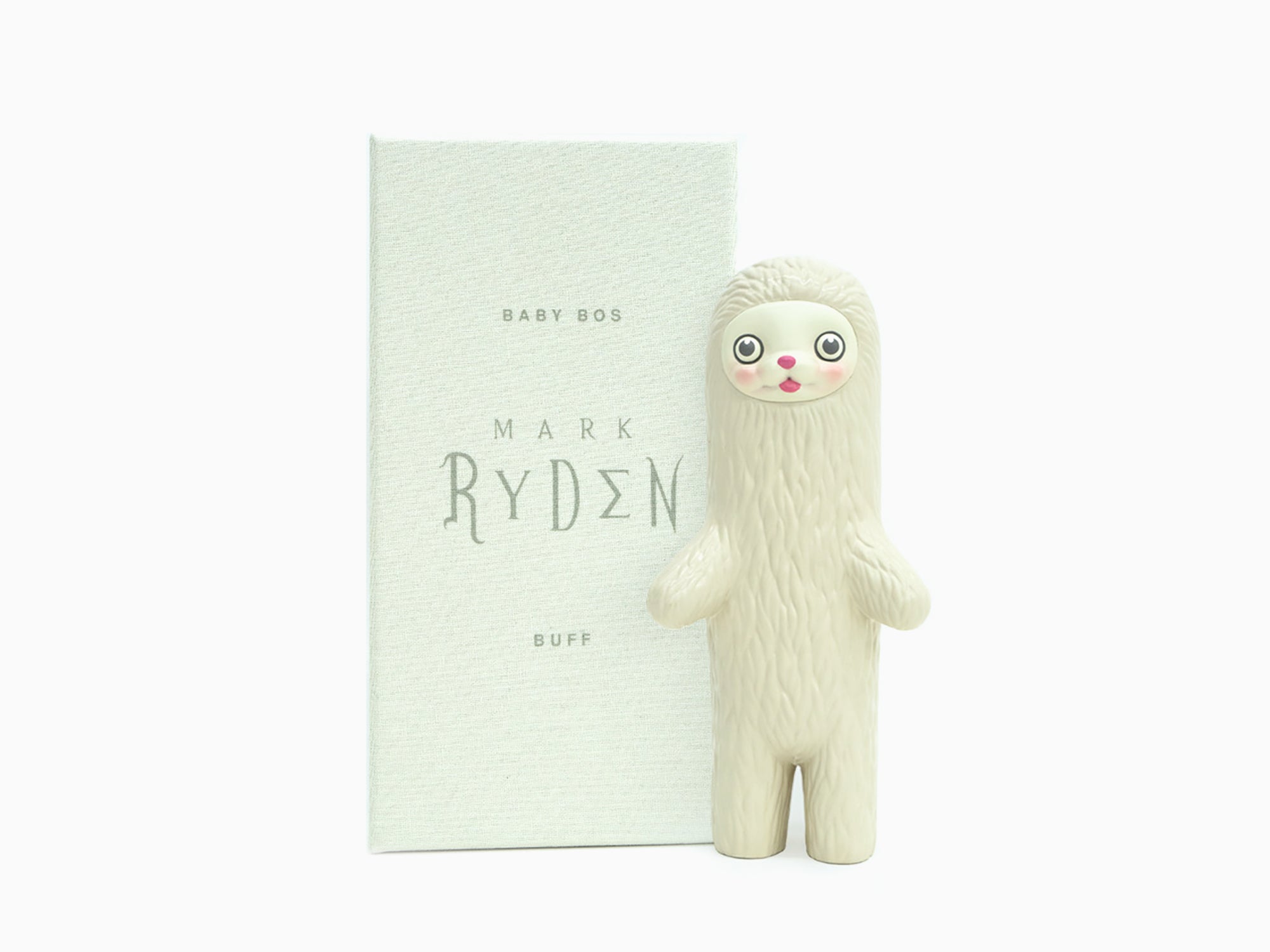
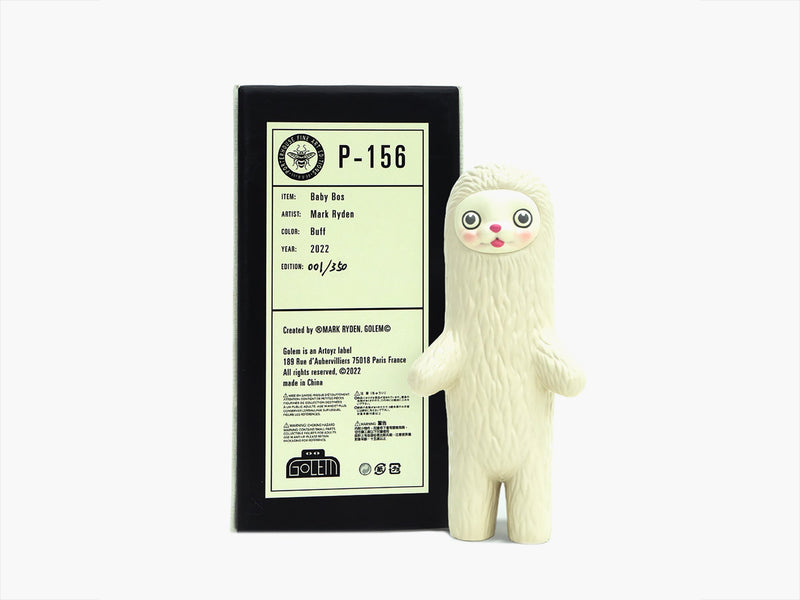
  • Mark Ryden adapts his dreamlike and symbolic universe into three-dimensional objects.


How can you recognize a signed and valued art toy?

To identify a valued art toy, several elements are key:

  • A clearly stated limited edition
  • The name of the artistor designer
  • The original packagingkept in good condition
  • In some cases, a certificate or signature

Traceability is essential. It allows you to place the object within a specific series, a particular year, or a defined collaboration.


How do you start collecting art toys?

An art toy can be a first step toward building a broader contemporary art collection. But knowing where to begin is essential.

Define your collecting goal

Before making any purchase, ask yourself a simple question: why do you want to collect art toys? Is it for aesthetic passion, for a specific designer’s universe, for an interest in urban culture and street art, or as part of a collection of contemporary objects?

Clarifying your intention will help guide your choices and avoid impulsive decisions. Collecting art toys means placing each piece within a personal narrative.

Criteria for selecting a piece

When looking at a figurine, several elements deserve your attention:

  • The mention of a limited edition
  • The name of the artist or designer
  • The series number
  • The original packaging
  • Its coherence within your existing collection

The unit price can vary significantly depending on rarity and the creator’s reputation. A signed piece or one created as part of a specific collaboration will often hold greater value than a widely produced model.
Take your time to observe. Compare versions. Look into the year of creation and its context.

A few tips for beginners

To enter the world of art toys with confidence:

  • Start with a piece that genuinely resonates with you
  • Follow artists and designers through their official channels
  • Explore exhibitions and dedicated events
  • Stay informed about market trends before purchasing

In the end, patience is your strongest ally. Your eye develops over time. Gradually build a dialogue between works, series, and artistic universes.

What are the prices for art toys?

An art toy can be an accessible entry point into collecting, or it can become a more sought-after piece on the secondary market. There is a wide range of prices.

Prices generally fall into three main categories:

  • Entry-level collecting: smaller figurines produced in series, often in vinyl. The regular price may start at a few hundred euros.
  • Mid-range: limited edition models, specific collaborations, numbered series. The unit price increases depending on rarity.
  • Rare or exhibition pieces: very limited versions, sometimes custom or signed. Some reach high levels on the secondary market.

Several factors shape the value of an art toy: the rarity of the series, the artist’s reputation, the condition of the piece, its resale history. The price does not simply reflect material or size. It reflects a position within an artistic ecosystem, a level of demand, and recognition.

What is the current trend in the art toy market?

There is a steady, understated movement within the art toy market. Once seen mainly as collectible toys rooted in pop culture, art toys now hold a more established position within the contemporary art ecosystem.

Cultural and artistic value

The art toy embodies a unique dialogue between urban culture, design, and contemporary art.

These figurines are no longer just products of pop culture. They have become small-scale works of art capable of bringing together street art and galleries, illustration and sculpture, visual marketing and social critique.

The art toy acts as a bridge. It makes contemporary art more tangible and accessible, without reducing its depth.

Collecting value and market structure

The art toy market is divided into two main spaces:

  • The primary market, through galleries, concept stores, and specialized boutiques
  • The secondary market, where certain pieces increase in value over time

A limited edition produced in small quantities can generate strong demand. Rarity, the designer’s reputation, and the condition of the piece directly influence valuation.
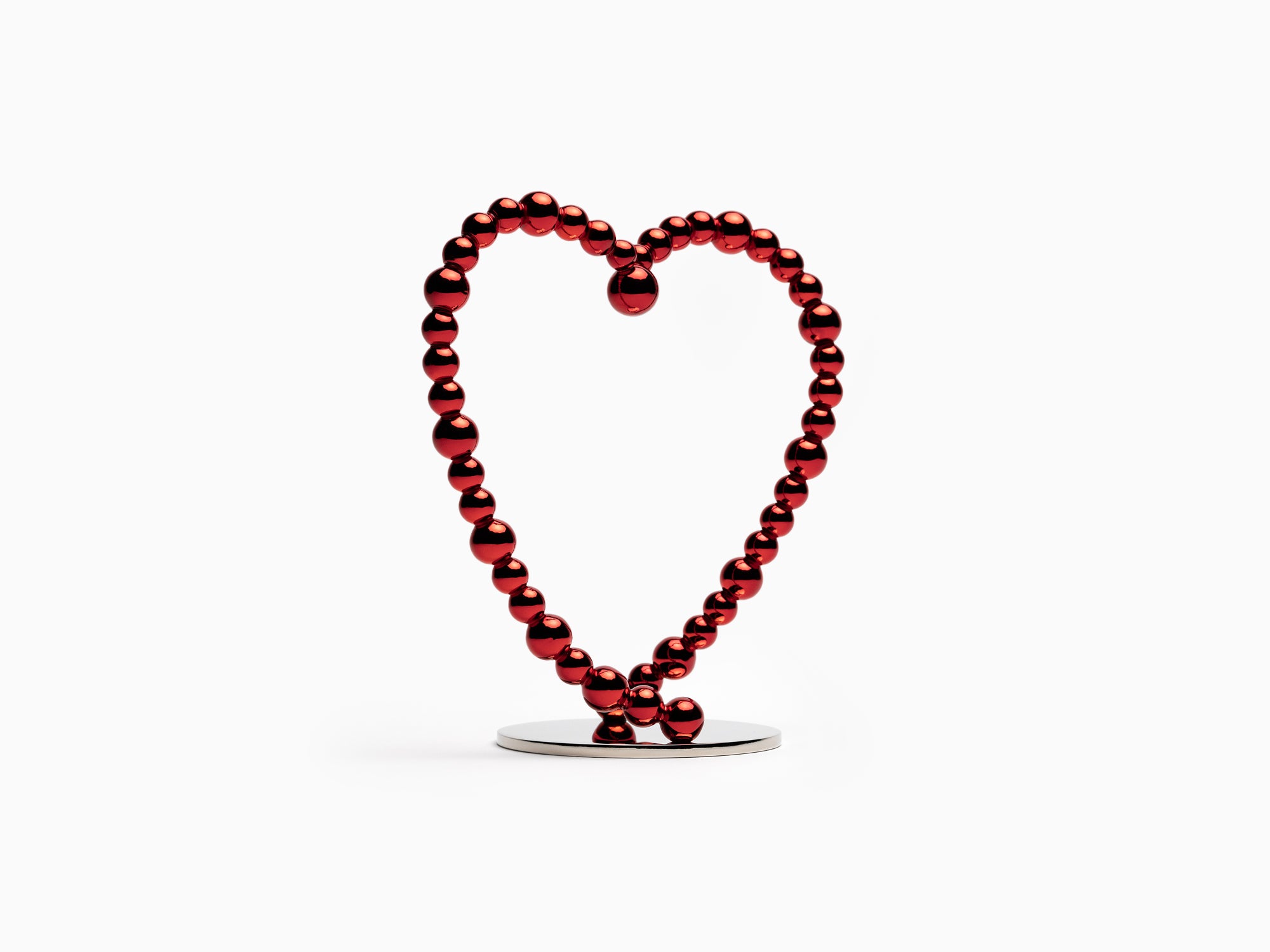
Collecting involves accepting a sense of timing. Some pieces remain stable. Others gain visibility over time, especially as an artist’s recognition grows within the art world.

Market trends today

Today, several dynamics shape the evolution of designer toys:

  • Growing demand driven by online communities
  • The influence of social media on the visibility of recent series
  • International circulation between Hong Kong, the United States, and Europe

There is also renewed interest in iconic models such as Bearbrick, Dunny, and other figures that have become references within the field.

In practice, the art toy market is not driven by speculation alone. It is sustained by a community and a shared passion.

In short, an art toy is neither a simple toy nor a derivative product. It’s an object at the crossroads of disciplines, a fragment of contemporary creation that fits in the palm of your hand. Collecting art toys means learning to recognize a vision, a series, a universe. It means embracing the dialogue between material, culture, and perspective.

To continue exploring this universe and discover creations that reflect it, browse here our selection of editions and figures available on the Perrotin Store.